
Brampton Dream Home Guide: See More Homes Fast in 2026
Brampton dream home search tips that speed decisions: define must-haves, automate MLS alerts, tour smart, and negotiate confidently with a buyer’s agent.
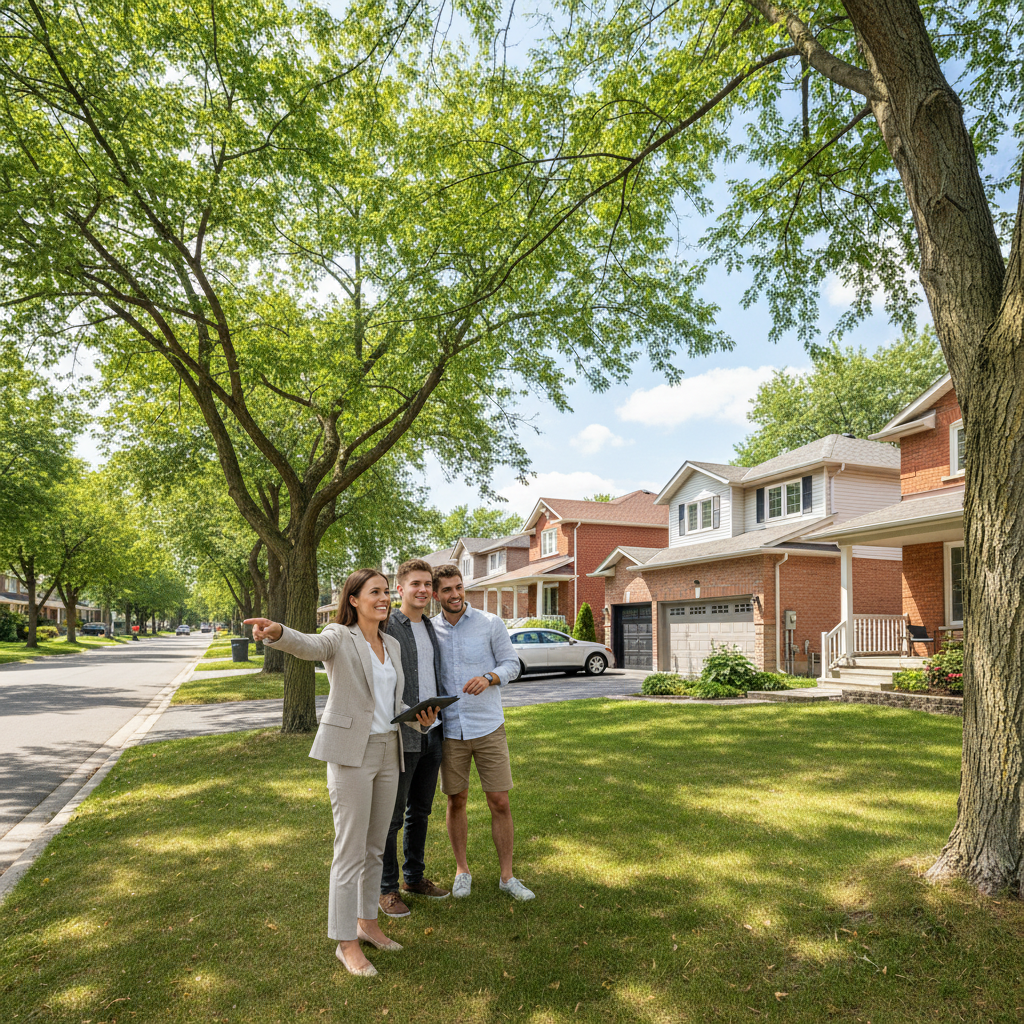
Brampton dream home search tips are the practical steps and tools that help you find the right property faster in a competitive market. Serving Brampton from 52 Scarsdale Rd Suite 205 in North York (Toronto), our ABR/SRS/RENE-backed process aligns your budget, must-haves, and timing so you tour fewer duds and unlock more real matches.
By Robin Patel, Founder & Realtor — RE/MAX Metropolis Realty
Last updated: May 15, 2026
Quick Summary
To find your Brampton dream home fast, lock your pre-approval, define non-negotiables, search daily with MLS alerts, preview with virtual tools, and tour with a buyer’s agent who negotiates strategically. This guide breaks down step-by-step workflows, local nuances, and pro checklists you can apply today.
This complete guide is built for Brampton buyers who want a faster, clearer path to “the one.” You’ll see our service-driven workflow, what to do each week, and how to avoid dead-ends while staying offer-ready.
- Understand exactly what “dream home” means for your household and budget.
- Use MLS alerts and map filters to surface homes before the crowd.
- Preview smarter with 3D tours, disclosures, and neighborhood checks.
- Tour efficiently with tactical questions and scoring systems.
- Write stronger offers and negotiate with confidence.

What Is a Dream Home Search?
A dream home search is a structured process that matches your non-negotiables, budget, and timing to live market inventory. It blends data-driven filters, daily alerts, expert previews, and guided tours so you make a confident, timely offer on a home that truly fits.
In our experience representing Brampton buyers, “dream” doesn’t mean perfect—it means perfect for this stage of your life. Clarity comes from defining must-haves, nice-to-haves, and deal-breakers, then running every listing through that lens.
- Non-negotiables: e.g., commute under 45 minutes, three bedrooms, private outdoor space.
- Nice-to-haves: finished basement, south-facing yard, EV charger readiness.
- Deal-breakers: major foundation issues, high flood risk, uninsurable knob-and-tube wiring.
We systemize this across your search so every alert, preview, and tour moves you closer to the right property—not just another showing on your calendar.
Why It Matters in Brampton
Brampton’s market moves quickly, with new listings drawing heavy interest across the Toronto metro. A disciplined search saves time, reduces regret, and positions you to act decisively when a match appears—often within hours of listing.
Inventory quality varies block to block. Similar homes can behave differently based on micro-location, condition, and school catchments. A clear plan ensures you spend your weekend on homes that fit, not long shots.
- Less noise, more signal: Target neighborhoods that map to your commute and lifestyle.
- Offer readiness: Paperwork, timelines, and conditions pre-discussed, so you act fast.
- Negotiation leverage: Comparable sales and defect notes ready before you write.
Local considerations for Brampton
- Use weekday twilight tours to assess traffic flow and park usage near Bond Park if outdoor time matters.
- Winter daylight is short—book earlier tour windows November–February to catch natural light.
- For students or staff, proximity to Ace Acumen Academy can influence rental demand and resale appeal.
How the Dream Home Process Works (Step-by-Step)
The best process is simple: confirm financing, define criteria, automate alerts, pre-screen listings, tour with purpose, and negotiate with comps in hand. Repeat this weekly cycle until a top-3 match appears, then write a clean, strategic offer.
Here’s the practical workflow we run with Brampton clients, from first call to keys.
Step 1 — Set your foundation
- Financing ready: Secure a pre-approval with your lender and keep documents handy.
- Criteria workshop: We co-create ranked must-haves, nice-to-haves, and deal-breakers.
- Neighborhood map: Pin primary and fallback areas aligned to commute, schools, and amenities.
Step 2 — Automate discovery
- Daily MLS alerts: Time-stamped alerts hit your inbox as properties list or change status.
- Saved searches: Filters by price band, beds/baths, property type, and parking.
- Weekly review: We prune dead filters and add new micro-areas as insights build.
Step 3 — Pre-screen like a pro
- Photo forensics: Look for patchwork floors, ceiling stains, and photo “blind spots.”
- Docs preview: Review disclosures, updates, and any available inspection notes.
- StreetView lap: Check traffic, grading, and nearby uses before you book.
Step 4 — Tour with purpose
- 15-minute rule: If a key must-have is missing, cut the tour short and move on.
- Score each home: We rate 1–5 for layout, light, storage, condition, and location.
- Document: Save photos/video and quick notes while impressions are fresh.
Step 5 — Decide and negotiate
- Top-3 short list: We compare your best options against recent comparable sales.
- Offer strategy: Conditions, timelines, inclusions, and deposit logistics planned in advance.
- Counterplay: We adjust with data (items found during tours and comps) to protect your interests.
This loop repeats cleanly. Most clients feel decisive once they’ve scored and compared 6–10 well-matched homes because patterns—and the front-runner—become obvious.
Types of Brampton Dream Homes (and How to Search Each)
Brampton’s dream-home paths include detached, semi-detached, townhomes, and condos. Each type has a distinct search rhythm—filters, red flags, and timing—that help you surface better options and avoid mismatches fast.
Detached homes
- Filters: Lot size, garage type, finished basement, year built bands.
- Watch for: Roof age, grading, and moisture in lower levels.
- Use case: Multigenerational living or future rental suite potential.
Semi-detached homes
- Filters: Shared wall orientation, driveway parking, noise buffers.
- Watch for: Sound transmission and additions done without permits.
- Use case: Balance of privacy, space, and maintenance.
Townhomes
- Filters: End-unit preference, private yard, visitor parking, HOA rules.
- Watch for: Special assessments and restrictive bylaws.
- Use case: Entry-level space with efficient layouts and lower upkeep.
Condos
- Filters: Square footage band, exposure, amenities, pet rules.
- Watch for: Reserve fund health and upcoming building projects.
- Use case: Lock-and-leave living, predictable maintenance, urban convenience.
We tailor alerts for each property type, then stack your short list across types to see where the best fit emerges.
Best Practices for Speed and Clarity
Set non-negotiables, automate alerts, and score every tour on the same criteria. Keep documents ready, tour at varied times, and use a buyer’s agent to surface disclosure gaps. This creates speed without sacrificing diligence.
- One scoring sheet: Consistent 1–5 scoring for layout, light, storage, condition, and location.
- Two tour windows: See day and evening to catch noise, traffic, and light changes.
- Three fallback areas: Define alternates so you don’t stall if primary zones dry up.
- Four weekly habits: Inbox alerts, shortlist review, weekend tour block, comp check.
- Five-minute rule: If deal-breakers show up in photos or notes, skip the tour and save time.
These habits compress search timelines while raising your decision quality. The result: fewer tours, clearer favorites, and offers that read as organized and credible.
Tools and Resources You Can Use
Combine MLS alerts, map-based searches, and pre-approval letters with expert representation. Pair that with educational resources and a quick valuation snapshot so you understand options, trade-offs, and timing.
- Map and MLS: Daily alerts and saved map filters pinpoint listings worth a tour.
- Pre-approval letter: Speeds scheduling and strengthens your offer’s credibility.
- Valuation snapshot: A quick read of likely seller expectations and comp context.
- Educational refreshers: Short primers before you write—conditions, inclusions, timelines.
When you integrate these into a weekly cadence, you’ll feel in control rather than overwhelmed.
Open Houses vs. Private Showings
Use open houses for fast triage and private showings for serious due diligence. Open houses test fit and flow; private showings dig into details, disclosures, and offer strategy with your agent by your side.
- Open houses: Quick vibe check, neighborhood walk, basic layout and light read.
- Private showings: Inspect storage, mechanicals exposure, and renovation quality.
- Pro tip: Book back-to-back showings to compare while impressions are fresh.
We often recommend a same-day private showing after a strong open-house impression so you can measure rooms, verify assumptions, and prep next steps without delay.

Budgeting and Readiness (Without Numbers)
Affordability is more than price bands. It’s your comfort with monthly obligations, emergency reserves, and expected maintenance. Align your pre-approval, buffer, and timeline so your offer terms feel confident and sustainable.
- Monthly comfort zone: Clarify what feels sustainable, not just bank-approved.
- Reserve buffer: Plan for routine upkeep and small surprises after move-in.
- Timeline realism: Match closing windows to lease ends, school terms, and life events.
When your numbers and timing align, you gain freedom to focus on home quality and fit.
Writing Strong Offers and Negotiation
Great offers balance confidence and protection. Pair clean timelines and realistic conditions with comps and defect insights from tours. Your agent’s negotiation plan should explain “why” in clear terms sellers respect.
- Data narrative: Use comparable sales and visible condition to justify terms.
- Conditions strategy: Calibrate inspection and financing windows to risk tolerance.
- Communication: Present a clear, respectful rationale that positions you as credible.
In multiple-interest situations, organization and speed signal seriousness. That alone often improves your negotiating position.
Search Methods Compared (Pros and Cons)
Blend MLS alerts, agent-curated lists, and neighborhood scouting. Alerts surface speed. Agent lists add judgment. Scouting reveals context you can’t see online. Mixing methods reliably produces higher-quality short lists.
| Method | Best For | Pros | Watch Outs |
|---|---|---|---|
| MLS alerts | Speed to new listings | Real-time, complete dataset | Needs careful filters, can overwhelm |
| Agent-curated list | Quality over quantity | Local insight, context, comps | Adjust if criteria evolve |
| Neighborhood scouting | Block-level nuance | Noise, light, traffic reality | Time intensive without a plan |
| Open houses | Quick triage | No scheduling friction | Limited time for detail |
Use all four to balance speed with diligence. This mix prevents tunnel vision and exposes better options sooner.
Case Studies: How Brampton Buyers Found “The One”
Winners follow a repeatable playbook: tight criteria, daily alerts, fast previews, and decisive offers with data. These brief scenarios show how small process tweaks led to confident closings.
Case 1 — First-time buyer, townhome
- Challenge: Overwhelmed by options and conflicting advice.
- Move: We narrowed to three micro-areas and used an end-unit filter with parking.
- Result: After scoring five tours over two weekends, a clear front-runner emerged and the client wrote with confidence.
Case 2 — Growing family, detached with suite potential
- Challenge: Needed space now and flexibility later.
- Move: Alerts focused on lot size, separate entrance, and rough-in plumbing mentions.
- Result: The family selected a home with favorable grading and a dry lower level—ready for a future suite.
Case 3 — Condo downsizer
- Challenge: Wanted walkability and predictable maintenance.
- Move: We filtered by square footage, south exposure, and pet policy alignment.
- Result: They chose a building with strong reserves and amenities that matched their daily routine.
Each case used the same backbone: clear criteria, automated discovery, purposeful tours, and data-backed negotiation.
Your Mid-Search Checklist
If your search stalls, review filters, expand one fallback area, and refresh comparables. Then book two targeted tours this week. Action beats waiting, and small pivots usually unlock new options.
- Review all saved filters and remove outliers.
- Add one adjacent micro-neighborhood for two weeks.
- Re-run comparables for your top property type.
- Book two focused tours; score them the same day.
- Debrief quickly—what worked, what didn’t, what to change.
We treat this as a 30-minute weekly rhythm that keeps searches sharp and forward-moving.
Frequently Asked Questions
Brampton buyers ask about timing, pre-approvals, conditions, and how many homes to tour. These concise answers keep you moving while protecting key safeguards in your offer.
How many homes should I tour before deciding?
There’s no magic number, but most buyers feel confident after scoring 6–10 well-matched homes. Use the same criteria sheet every time. Patterns emerge by tour four or five, and front-runners become clear by tour six through ten.
Do I need a pre-approval before touring?
Yes. Pre-approvals help you tour efficiently, signal seriousness to sellers, and write offers quickly. You’ll also avoid wasting time on homes outside your comfortable range and focus on listings that truly fit.
What’s the best time to tour a property?
See it twice when possible: once in daylight for layout and light, and once near evening for traffic, noise, and parking. That two-pass approach gives a fuller read of daily rhythms you can’t catch in a single slot.
Should first-time buyers include conditions?
Conditions protect you. Calibrate them to your risk tolerance and market dynamics. Common safeguards include financing and inspection windows. Your agent will tailor terms so your offer stays competitive while protecting key checks.
Let’s Shortlist Your Top 3 This Week
If you’re ready to act, we’ll turn your criteria into daily alerts, preview listings, and book targeted tours—so a confident top-3 emerges this week. The process is simple, focused, and built for decisions.
We’ll help you align criteria, automate discovery, and prep a clean, credible offer strategy. When the right home appears, you’ll be ready to move with clarity.
For a wider perspective on regional buying steps, see this expert guide overview. If you’re exploring pre-construction pathways in the area, review this pre-construction process outline. For valuation fundamentals, this Ontario value primer offers additional context.
Key Takeaways
Define must-haves, automate MLS alerts, and tour with a repeatable scoring system. Align financing, timeline, and negotiation strategy in advance. Small weekly adjustments keep momentum—and surface the right home faster.
- Clarity beats volume: fewer, better tours win.
- Speed plus diligence: alerts + curated lists + scouting.
- Offer-ready: documents, comps, and conditions pre-discussed.
- Local nuance: assess blocks at day and evening.
- Momentum matters: review, adjust, and act weekly.