
Brampton Home Buying Guide: Save Time and Stress in 2026
Your Brampton home buying checklist: from pre-approval to closing with smart steps, local insights, and buyer protections to reduce stress and delays.
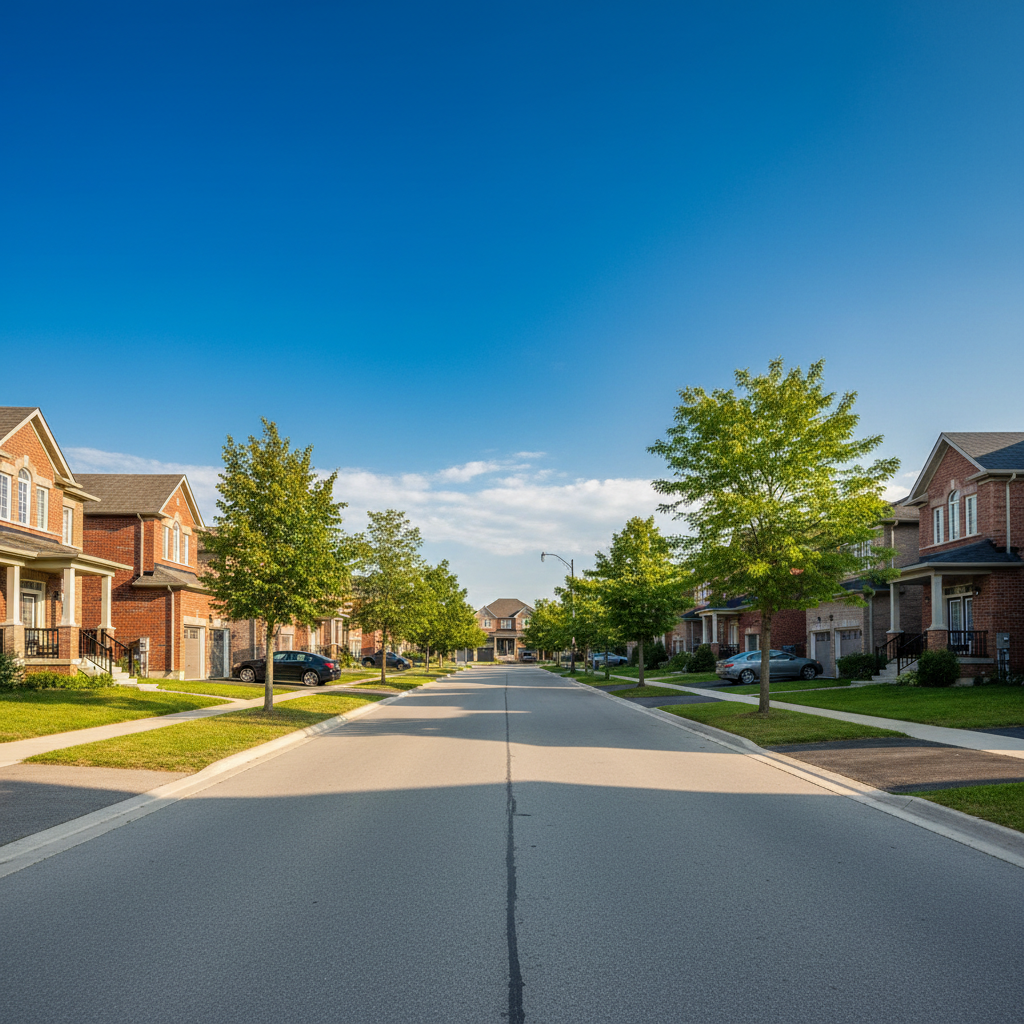
A Brampton home buying checklist is a step-by-step plan that moves you from mortgage pre-approval to keys-in-hand with fewer surprises. It covers research, showings, offers, conditions, and closing in Ontario. Based out of 52 Scarsdale Rd, Suite 205 in the Toronto metro, we help Brampton buyers stay organized and confident throughout.
By Robin Patel, Founder & Realtor (RE/MAX METROPOLIS REALTY) — TheReliableRealtor.ca • Last updated: 2026-04-28
Quick Summary
Use this Brampton home buying checklist to line up financing, focus your search, tour top matches, write a strong, protected offer, complete inspections, and close on time. Organize documents upfront, watch neighborhood signals, and rely on a licensed buyer’s agent to navigate conditions, disclosures, and closing logistics.
Here’s the high-level path we guide Brampton buyers through from first call to closing. Keep this overview handy, then dive into each section for details and examples tailored to Brampton neighborhoods and Ontario rules.
- Get ready: Set budget bands, gather ID and income docs, secure a written pre-approval.
- Research smart: Prioritize areas, commute, schools, and lifestyle must-haves.
- Search efficiently: Review fresh MLS matches, shortlist 6–10 serious candidates.
- Tour with purpose: Check structure, layout, noise, and maintenance cues.
- Offer strategy: Balance price, conditions, timing, and deposit strength.
- Due diligence: Inspection, status certificate (condos), title and insurance.
- Close smoothly: Lawyer finalizes, lender funds, you get the keys.
| Stage | Your goal | Typical actions |
|---|---|---|
| Pre-approval | Know your ceiling and monthly comfort range | Share income, employment, liabilities; obtain lender letter |
| Search | Identify 2–3 target areas in Brampton | Monitor new listings, book tours, refine must-haves |
| Offer | Win the home while managing risk | Price analysis, conditions, timing, deposit planning |
| Conditions | Confirm the home and financing check out | Inspection, status cert review (condo), insurance binder |
| Closing | Transfer title and move in | Lawyer steps, final walkthrough, utilities setup |

What Is a Brampton Home Buying Checklist?
A Brampton home buying checklist is a localized, step-by-step framework buyers follow to purchase a home in Brampton confidently. It aligns Ontario transaction steps with neighborhood research, MLS search tactics, offer protections, inspections, and closing milestones specific to the Toronto metro market and Brampton’s inventory.
Think of it as your practical playbook. It translates Ontario process norms into everyday actions you can take this week. For example, we’ll show you how to narrow your MLS search so only the right Brampton homes surface, when to ask for a status certificate, and which small signs in a showing suggest strong maintenance.
- Local fit: Neighborhood nuances, commuter routes, and seasonal rhythms matter in Brampton.
- Ontario steps: Conditions, disclosures, and closing are standardized—your checklist keeps them on schedule.
- Buyer protection: The right conditions and timelines reduce risk and stress.
We created this framework based on our daily buyer representation in Brampton under the RE/MAX METROPOLIS REALTY umbrella, backed by ABR (buyer), SRS (seller), and RENE (negotiation) training.
Why This Checklist Matters in Brampton
This checklist matters because it reduces decision fatigue, prevents missed steps, and helps you compete without overreaching. In fast-moving Brampton submarkets, organization and timing win offers—especially when your agent pairs real-time MLS data with tailored conditions and a realistic closing plan.
Buyer attention is pulled in a dozen directions: commute, schools, rates, and renovations. A clear sequence helps you decide quickly without skipping due diligence. That’s the difference between a smooth close and a scramble.
- Clarity under pressure: When listings move, you’ll already know your signals and limits.
- Better trade-offs: You can weigh price, timing, and conditions with eyes open.
- Less stress: Fewer unknowns, tighter timelines, fewer last-minute surprises.
We’ve seen organized buyers tour fewer homes yet secure the right one sooner because they planned their route, prepped documents, and knew how to read listing history and neighborhood trends.
How the Brampton Home Buying Process Works (Step-by-Step)
The Brampton process runs from pre-approval to closing: confirm financing, focus your search, tour strategically, write a protected offer, complete inspections and lender steps, and coordinate with your lawyer for title transfer. Each stage has clear deliverables so your deal stays eligible, insurable, and on time.
Below is the step-by-step Brampton home buying checklist we walk through with clients. Use it as your working roadmap and annotate as you progress.
1) Preparation and pre-approval
- Document kit: Government ID, employment letter, recent pay stubs, and a summary of liabilities.
- Budget bands: Define a comfort range and a firm cap to protect future plans.
- Pre-approval letter: A current, written pre-approval signals readiness and sets boundaries.
2) Neighborhood and lifestyle targeting
- Commute mapping: Time your routes during typical rush windows to confirm tolerance.
- Daily needs: Note proximity to groceries, parks, fitness, and transit options.
- Noise and traffic: Visit in the evening and weekend to sample real conditions.
3) MLS search and shortlisting
- Filters that work: Focus on beds/baths, parking, lot type, and must-have functions.
- Watch the history: Track listing age, re-lists, and minor price adjustments.
- Shortlist 6–10: Enough variety to compare, not so many that you stall.
4) Showings that reveal the truth
- Signals of care: Clean filter screens, fresh caulking, and tidy mechanical rooms.
- Functional flow: Check room-to-room movement, storage, and natural light.
- Exterior sweep: Walk the lot line, grading, downspouts, and porch steps.

5) Offer strategy and protections
- Comparable review: Evaluate recent local sales to align on value and leverage.
- Conditions toolkit: Financing, inspection, and status certificate (condo) are common.
- Timing and deposits: Align with lender and lawyer availability to avoid friction.
6) Due diligence and lender milestones
- Home inspection: Identify material issues and maintenance priorities.
- Insurance binder: Confirm insurability and any special requirements upfront.
- Appraisal readiness: Keep access flexible and documents organized for the lender.
7) Legal, title, and closing coordination
- Lawyer coordination: Title search, registration, and closing fund transfers.
- Walkthrough checklist: Appliances, fixtures, lights, and promised repairs.
- Move-in logistics: Utilities setup, locks, and immediate safety items.
For a condo purchase, add “status certificate review” early; for freeholds, emphasize inspection scope and insurance readiness. The sequence stays the same—deliverables shift slightly by property type.
Property Types and Buying Methods in Brampton
Brampton buyers typically choose among condos, townhouses, semi-detached, and detached homes. Your method—traditional financing, insured mortgages, or alternative lending—shapes offer strength and conditions. Match property type to lifestyle and maintenance appetite; match financing to timeline and down payment profile.
Each choice carries trade-offs. Condos centralize maintenance and amenities; townhouses balance space and simplicity; semi-detached and detached homes offer privacy and land, with more upkeep. Financing approach affects speed, documentation, and how competitive your offer can be within your comfort range.
| Type | Pros | Considerations | Good fit if you… |
|---|---|---|---|
| Condo | Lower exterior upkeep; amenities; predictable building care | Status certificate review; monthly fees; pet/renovation rules | Prefer convenience, elevator access, and amenity spaces |
| Townhouse | More space than condos; often private entry; modest yard | Shared walls; some exterior maintenance; parking specifics | Want balance of space, privacy, and manageable upkeep |
| Semi-detached | Lot ownership; fewer shared walls; backyard use | More maintenance than condo/town; sound transfer | Value land access but can accept some shared wall noise |
| Detached | Maximum privacy; yard; expansion potential | Highest maintenance; often higher insurance needs | Want space, privacy, and flexibility for projects |
On financing, align lender timelines with your offer. Documentation done early makes your conditions tighter, which sellers appreciate. Your Brampton home buying checklist should include lender checkpoints so nothing stalls after acceptance.
Best Practices from an ABR/RENE Buyer’s Agent
Win in Brampton by preparing documents early, reading listing signals, and writing offers that balance strength with protection. We pair hyper-relevant comparables with realistic conditions and logistics, so your offer is both compelling and executable on closing day.
Practical tips that change outcomes
- Pre-approval timing: Keep it current; refresh if your search passes key rate review dates.
- Offer windows: If there’s a set review date, decide your max rules the day before—then stick to them.
- Listing tells: Stale days-on-market or recent re-list can open room for terms beyond price.
- Inspection focus: Structure and systems first; cosmetics can wait for move-in.
- Walkthrough ritual: Bring your original offer chattels/fixtures list and test each item.
Local considerations for Brampton
- Paperwork pickups at our Toronto-metro office are simple—parking near Bond Park is often smoother midday.
- Plan tours around winter light if searching from November to February; it’s easier to spot exterior drainage cues in daylight.
- Transit riders meeting us near 20 Lesmill Rd can align showings to arrive back before evening rush windows.
These small moves add up. We’ve watched clients avoid last-minute scrambling simply by staging documents and rehearsing logistics before offer night.
Tools and Resources You Can Use Right Now
Leverage a location-based property search, an address-driven “What’s My Home Worth?” snapshot, featured/showcase listings, and VIP buyer reports. Combine these with legal guidance and due diligence materials to move confidently from shortlisting to closing in Brampton.
As a buyer, two resources drive early momentum: accurate search filters and a clear sense of neighborhood value ranges. Our online tools were designed to make both simpler for Brampton residents exploring detached homes, townhouses, semis, and condos.
- Location-based search: Narrow by area, features, and lifestyle fit so only viable listings appear.
- Address-based valuation: Get a fast snapshot of value signals before you tour.
- Featured/showcase listings: See stand-out opportunities and compare real options side-by-side.
- VIP buyer reports: Learn the exact steps and documents you’ll need at each stage.
For legal process overviews and due diligence concepts, you can read practical primers like this home-buying legal overview and a short guide to pre-offer due diligence. For a seller-side perspective that helps you plan timing, this selling checklist primer is also useful context.
Free 15‑minute buyer consult: Get a personalized Brampton home buying checklist, tuned to your neighborhoods and timeline. Call Robin Patel at +1 647-360-1560 or visit TheReliableRealtor.ca to request yours.
- Review your pre-approval readiness and documents
- Pinpoint 2–3 target areas to fast-track tours
- Map a realistic offer and closing plan
Mini Case Studies: How Organization Wins
Organized buyers win faster and with fewer compromises. By sequencing financing, targeted tours, and offer logistics, clients reduce time-on-market exposure and avoid preventable delays. These three brief scenarios show how structure, conditions, and comparables produce calmer closings.
First-time buyer in a townhouse community
A Brampton couple prioritized walkability and low exterior upkeep. We filtered to townhouses with private entries and efficient layouts, then stacked an inspection condition plus lender timing. They toured six homes, chose a well-kept end unit, and closed with a punch-list that focused on preventive maintenance.
Move-up buyer seeking a detached lot
The family needed extra bedrooms and yard space. We narrowed to detached homes with straightforward mechanical rooms and clean grading, then blended comparables with a realistic closing date. Their offer included a focused inspection and insurability check. They landed a value-aligned property without stretching beyond predefined caps.
Condo buyer wanting convenience
This buyer wanted elevator access and amenities. We targeted newer buildings with transparent management records and strong maintenance signals. Their offer centered on a thorough document review and logistics that worked for both sides. Closing was smooth because the checklist anticipated status documentation and elevator booking timelines.
Frequently Asked Questions
Brampton buyers ask about pre-approval timing, how many homes to tour, which conditions matter, and how closing day works. Clear answers keep your search focused and help you avoid missed steps. These concise responses cover the fundamentals you’ll reference again and again.
How early should I get pre-approved?
Start as soon as you’re serious about buying—ideally before your first showing. A current, written pre-approval frames budget, speeds offer decisions, and signals readiness to sellers. Refresh it if rates, income, or your search timeline change.
How many homes should I tour before offering?
There’s no magic number, but most organized buyers find clarity after 6–10 targeted tours. Focus on function and maintenance signals, not just finishes. If nothing fits within your must-haves and budget cap, refine areas or features before adding more showings.
Which offer conditions matter most?
Financing and inspection are common for freeholds; condo buyers typically prioritize a status certificate review. Your situation may add insurance or timing considerations. The goal is balance—competitive terms that still protect your ability to close.
What happens on closing day?
Your lawyer finalizes title transfer and the lender advances funds. Once registered, you receive keys per the agreement. Plan a brief final walkthrough before closing to verify chattels, fixtures, and any agreed repairs are as expected.
Key Takeaways
Prepare early, search with focus, write balanced offers, and execute closing logistics with discipline. A structured Brampton home buying checklist keeps your purchase eligible, insurable, and on schedule while reducing stress and second-guessing.
- Organization beats speed alone—sequence your steps.
- Shortlist with intention; quality beats quantity of tours.
- Balance offer strength with the right protections.
- Lawyer, lender, and insurance coordination prevent delays.
Conclusion: Your Next Three Steps
Lock in a current pre-approval, clarify two or three Brampton target areas, and schedule a brief consult to tailor this checklist. Those three moves align your search, your offer strategy, and your closing logistics from day one.
- Pre-approval refresh: Confirm your written letter and document kit.
- Area focus: Choose the top two neighborhoods that match your lifestyle.
- Consultation: Request a tailored buyer plan with timelines and deliverables.
Ready to move from browsing to buying with confidence? Let’s tailor this Brampton home buying checklist to you and get your first set of showings on the calendar.