
Brampton Home Inspection Tips: Avoid Costly Misses in 2026
Brampton home inspection tips for buyers: what to check, red flags, and how to align inspection findings with valuation and negotiation for a safer purchase.
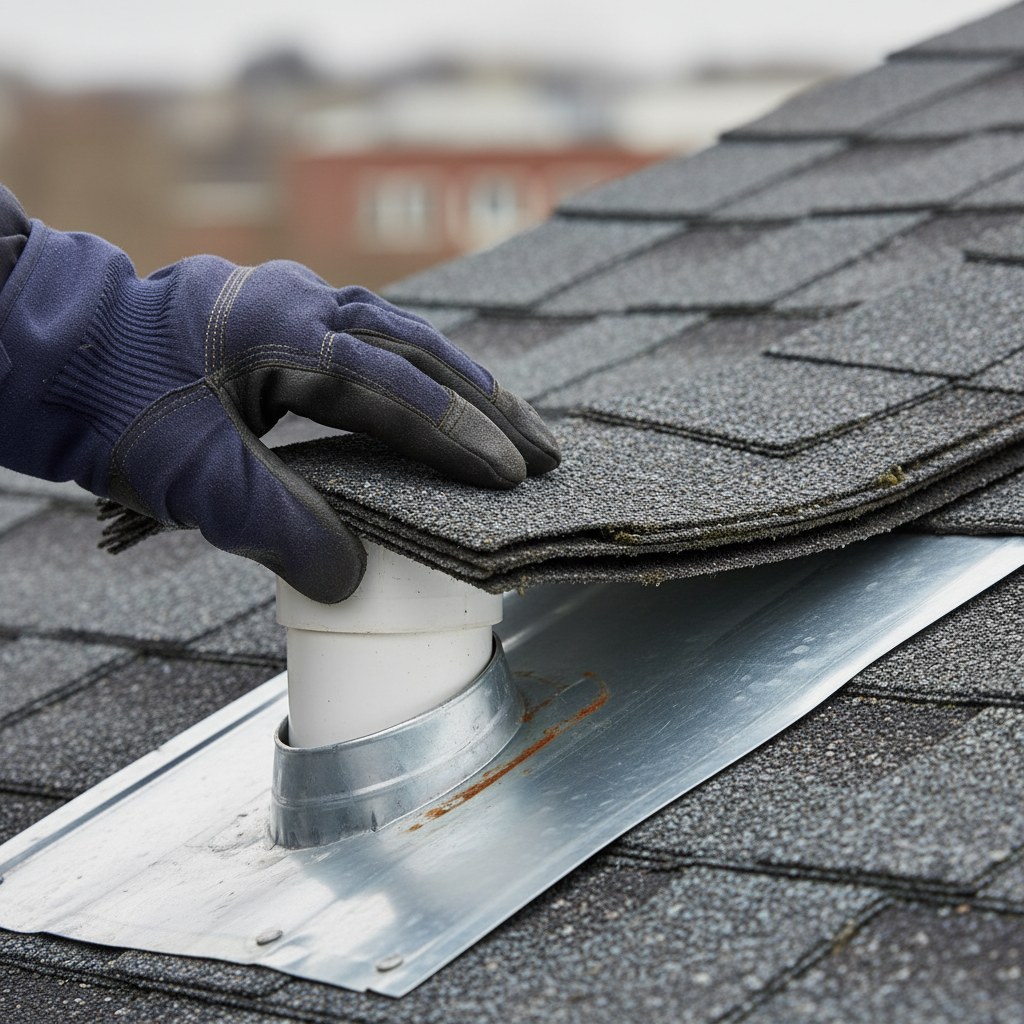
Brampton home inspection tips are the practical steps and checks buyers use to evaluate a property before firming up an offer. From our North York office at 52 Scarsdale Rd Suite 205, we support Brampton buyers across the Toronto metro with due diligence, so you can spot issues early, negotiate confidently, and protect your move.
By Robin Patel — Founder & REALTOR, RE/MAX Metropolis Realty
Last updated: 2026-05-27
Quick Summary
A strong home inspection plan blends pre-offer prep, a thorough on-site review, and fast follow-through. Focus on roof, foundation, moisture, electrical, plumbing, and HVAC. In competitive Brampton markets, integrate inspection results with your valuation and negotiation strategy to reduce risk and secure a fair outcome.
Here’s what you’ll get in this complete guide and how we help buyers as your ABR-designated representative:
- What a home inspection is and what it covers in plain language.
- Why inspections matter in Brampton and the Toronto metro’s climate.
- How inspections work: booking, on-site flow, reporting, timelines.
- Types of inspections: pre-offer, conditional, pre-listing, specialty.
- Actionable tips you can use at showings, plus red flags and repair cues.
- Resources: valuation alignment, listing search, and follow-up steps.
As buyer’s agents (ABR), we coordinate timing, documents, and negotiation—so your decision is grounded in facts, not guesswork.
What Is a Home Inspection?
A home inspection is a non-invasive, visual assessment of a property’s major systems and structure. Inspectors review roofing, exterior, foundation, electrical, plumbing, HVAC, and interiors to flag material defects. Their written report guides risk management, repair planning, and negotiation before you commit to the purchase.
In simple terms, it’s your structured way to confirm what you’re buying. A professional looks, tests, and documents key areas with photos and comments. While not a code-compliance certificate or warranty, the inspection highlights concerns you might otherwise miss during a short showing.
- Scope: Roof, attic, exterior, foundation, grading, drainage, structure, electrical panels/outlets, plumbing fixtures/supply, water heater, HVAC equipment/ducts, insulation/ventilation, windows/doors, basic appliances, and interiors.
- Depth: Visual and functional checks; no destructive testing. Inspectors use common tools (flashlight, moisture meter, outlet tester, thermal camera when available) to identify symptoms and likely causes.
- Deliverable: A written report with photos, severity ratings (e.g., maintenance vs. safety), and recommendations for further evaluation or repair.
Here’s the key: a clean, well-documented report reduces uncertainty. Less uncertainty strengthens your position when you decide whether to move forward, renegotiate terms, or walk away.
Why Home Inspections Matter in Brampton
In Brampton and the broader Toronto metro, freeze–thaw cycles, heavy rain, and humidity stress homes. Inspections surface moisture, grading, roof, and HVAC issues common to this climate. Tying findings to market value and offer strategy helps you buy confidently—even when competition is high.
Homes in Brampton face real seasonal stress. Water management, insulation quality, and exterior wear can change quickly with weather. You want a clear read on risk before you firm up your offer.
- Climate realities: Freeze–thaw and wind exposure can loosen shingles, stress flashing, and open hairline cracks in masonry or foundation materials.
- Rain and grading: Poor downspout extensions or negative slope can channel water to the foundation, leading to seepage and musty basements.
- Summer humidity: Elevates mold/rot risk in poorly ventilated attics and bathrooms; makes HVAC performance and duct sealing more important.
- Aging stock + renos: Mix of older homes and recent remodels means quality varies; unpermitted or DIY work can hide behind finishes.
Local considerations for Brampton
- Scheduling and traffic: Time your inspection to avoid peak GTA traffic. If you’re meeting us near North York, we’re close to Bond Park, making mid-day coordination smoother before heading to Brampton properties.
- Seasonal timing: After spring thaws or heavy summer storms, prioritize roof, grading, and basement moisture checks. Attic ventilation and insulation deserve extra attention during humid months.
- Offer strategy: In hot neighborhoods, we’ll often line up an inspector in advance. If multiple offers loom, a quick-read walkthrough can guide bid strength while planning a fuller conditional inspection later.
How a Home Inspection Works
A typical inspection spans booking, on-site review, debrief, and report delivery. Expect a 2–4 hour visit depending on size and condition. You’ll receive photos, notes, and recommendations you can use to negotiate repairs, credits, or timing—before waiving conditions.
Here’s the step-by-step flow we help coordinate as your buyer’s agent:
- Pre-book: We shortlist reputable inspectors and confirm availability aligned to your offer window.
- On-site walkthrough: Exterior-to-interior sweep: roof/exterior; foundation and grading; mechanicals; plumbing/electrical; attic/interiors.
- Buyer debrief: Quick summary right after the visit with priority flags and next-step guidance.
- Report delivery: Written report with photos and recommended actions.
- Negotiation plan: We sync report findings with valuation and your offer terms.
| Inspection Format | Best For | Typical Timing | Buyer Advantage | Key Watchouts |
|---|---|---|---|---|
| Pre-offer walkthrough | Competitive listings | 30–60 minutes | Quick risk read before bidding | Not a full report; limited access |
| Conditional full inspection | Due diligence window | 2–4 hours | Comprehensive findings to renegotiate or walk | Needs seller access/time |
| Pre-listing inspection | Sellers prepping to list | 2–4 hours | Fewer surprises for both sides | Disclosures must be managed |
We keep momentum. If your report reveals material items, we prepare clear asks (repair scope, receipts, or credit) and align them to value—so you’re not overpaying relative to condition.
Types/Methods/Approaches
Use a mix of approaches: quick-read walkthroughs for speed, full inspections for depth, and specialty checks (sewer scope, radon, mold, WETT, energy) when symptoms suggest deeper risk. Choose formats that fit the property type, season, and your offer timeline.
Core inspection types
- Full home inspection: The broad, system-by-system assessment that anchors most purchases.
- Walkthrough consultation: Short, verbal-only review before bidding on competitive listings.
- Re-inspection: Verifies repairs were done as agreed before closing.
Specialty add-ons (triggered by symptoms)
- Sewer scope: If there’s slow drainage, large trees near the line, or clay/cast piping age; helps reveal cracks or root intrusion.
- Mold and moisture assessment: For musty odors, staining, or high humidity readings in basements/attics.
- Radon screening: Consider for lower levels; long-term exposure risks can be mitigated with ventilation systems.
- WETT-style chimney/fireplace review: If a wood-burning appliance is present; confirms safe installation and venting.
- Energy audit: Air leaks, insulation gaps, and duct sealing can meaningfully affect comfort and utility usage.
Not every home needs every add-on. We calibrate based on age, location, observed symptoms, and listing disclosures—so you invest where it matters most.
Brampton Home Inspection Tips (Buyer-Focused)
Arrive prepared with known problem areas for Brampton: roof wear, drainage, basement moisture, attic ventilation, electrical panels, and HVAC age. Photograph serial plates, ask for receipts, and align repair requests to valuation. If major structural or moisture issues emerge, be ready to renegotiate—or walk.
At-showing checks you can do in minutes
- Outside grading: Look for soil sloping toward the house; downspouts should extend several feet away.
- Roof cues from ground: Curling, missing, or mismatched shingles can hint at age or patchwork.
- Windows and sills: Soft wood, damaged caulk, or fogging between panes points to water intrusion or seal failure.
- Foundation clues: Step cracks in masonry or wide horizontal cracks need attention.
- Bath and kitchen: Run taps and fans; slow drains and weak ventilation raise mold risk.

What we prioritize during the full inspection
- Roof and attic: Shingle wear, flashing, ventilation, insulation levels, and any signs of past leaks.
- Basement and moisture: Efflorescence, musty odor, stains, sump pumps, vapor barriers, and dehumidification needs.
- Electrical: Panel capacity, aluminum branch wiring indicators, GFCI/AFCI protection, and visible DIY work.
- Plumbing: Supply line materials, shutoff valves, water heater age, and drainage behavior under load.
- HVAC: Make/model/age, filter condition, combustion air, duct sealing, and temperature differentials.
Turn findings into leverage
- Document precisely: Serial numbers, installation dates, and photos strengthen your negotiation file.
- Ask for the right remedy: Repair by a licensed pro with receipts, a closing credit, or a price adjustment aligned to value.
- Sequence matters: Address safety and moisture first; cosmetics last.
- Know your walk-away points: Significant structural movement or chronic water intrusion can be disqualifiers depending on budget and tolerance.
Best Practices That Protect Buyers
Book early, attend the inspection, and bring questions. Pair the report with a Comparative Market Analysis, then adjust your offer strategy. Prioritize safety, moisture, and structural items. Get repairs in writing, with photos and receipts, before you waive conditions or release contingencies.
Preparation and scheduling
- Pre-vet inspectors: We keep a short list based on responsiveness, clarity of reports, and toolset quality (moisture meters, thermal imaging, ladders).
- Line up access: Confirm attic, utility rooms, garages, and panel closets are cleared for safe entry.
- Bring your questions: Comfort systems, roof age, and any past leak history are top of list.
On-site engagement
- Be present: You’ll learn more in 10 minutes beside the inspector than by skimming the PDF alone.
- Photograph issues: Your own photos help you explain priorities to family and keep everyone aligned.
- Request plain language: Ask for “severity” and “next step” in simple terms so decisions are fast.
After the report
- Map to value: We connect findings to our CMA so you’re not paying top-of-market for a home with deferred maintenance.
- Choose the right ask: Repair, credit, or timing relief (e.g., extra days to complete work) based on your move-in needs.
- Re-inspect repairs: When scope is material, verification avoids unpleasant move-in discoveries.
Tools and Resources for Brampton Buyers
Use modern tools to speed decisions: a location-based listing search, an address-based valuation estimate, and checklists to track defects and receipts. Organized documentation makes negotiations smoother and helps you compare homes apples-to-apples across Brampton neighborhoods.
- Location-based search: Shortlist properties by neighborhood, school proximity, and commute routes across Brampton.
- Address-based valuation: Start with an online “What’s My Home Worth?” estimate, then layer in inspection-driven adjustments.
- Inspector toolkit: Moisture meter readings and thermal images in the report help you visualize issues.
- Buyer binder: Keep offers, disclosures, inspection notes, repair receipts, and photos in one shared folder.
Strong organization lets you weigh trade-offs quickly: the home with an older furnace but dry basement vs. the newer roof with a grading fix needed. That clarity moves you from uncertainty to action.
Case Studies and Real-World Examples
Every inspection tells a story. When you connect symptoms to value—and ask for targeted remedies—you can keep deals alive without accepting hidden risk. These quick scenarios show how we protect Brampton buyers while keeping timelines intact.
Example 1: Walkthrough before a bidding deadline
- Symptoms: Patchy shingles and ceiling stains in a bedroom.
- Action: Pre-offer walkthrough flagged roof risk; we tempered the bid and planned a conditional full inspection.
- Outcome: Full report found failed flashing. Seller credited funds at closing; buyer avoided immediate roof work.
Example 2: Basement moisture vs. value
- Symptoms: Efflorescence lines and a musty smell.
- Action: Requested downspout extensions, a grading correction plan, and a licensed remediation quote as part of negotiation.
- Outcome: Seller completed exterior fixes and provided receipts; buyer proceeded with confidence.
Example 3: Electrical safety first
- Symptoms: Mixed outlets and dated panel with no AFCIs.
- Action: Asked for a licensed electrician to update protections in bedrooms and kitchen, with photos and permit sign-off if required.
- Outcome: Work verified before closing; reduced insurance concerns and improved safety.
Frequently Asked Questions
Homebuyers ask about timing, attending inspections, re-inspections, specialty add-ons, and what to do if major issues appear. The short answers: book early, attend if you can, verify repairs, add specialties only when symptoms suggest, and renegotiate or walk if risks outweigh your comfort.
Should I attend the home inspection?
Yes. You’ll learn more by seeing issues firsthand and asking questions in real time. Bring a notepad and take photos. Your understanding of priorities will be clearer than reading the report alone.
What if the report shows major problems?
Use the findings to renegotiate repairs, credits, or timelines. Focus on safety, moisture, and structural issues first. If the seller won’t address material risks, be prepared to walk away. We’ll align that decision with market value and your goals.
Do I need specialty inspections?
Only when symptoms suggest deeper risk. For example, slow drains may justify a sewer scope, musty odors a moisture or mold assessment, and a wood-burning appliance a dedicated safety review. We’ll help you choose the right add-ons.
Can I rely on the seller’s old inspection?
Treat it as reference only. Conditions change, repairs may be incomplete, and liability typically rests with the original client. A fresh, buyer-commissioned inspection aligned to your offer protects you best.
What’s my next step after the inspection?
We’ll map findings to value with a CMA, craft targeted repair or credit requests, verify completion with receipts or a re-inspection, and adjust timelines if needed. The goal is a safe, fair, and timely closing.
Key Takeaways
Plan early, attend the inspection, and let data drive your decision. In Brampton’s climate, moisture control, roofing, ventilation, and HVAC matter most. Use your report to adjust price, request repairs, or walk—whatever best protects your move and long-term comfort.
- In Brampton, water management and ventilation are recurring themes—treat them as priority items.
- Pair your inspection with valuation so you don’t overpay for homes with deferred maintenance.
- Keep documentation organized; photos and receipts power stronger negotiations.
- Choose specialty checks only when symptoms warrant the extra step.
Conclusion
The best home inspection strategy blends speed with depth: quick cues at showings, a thorough conditional review, and disciplined follow-up. When findings meet valuation, you can buy with confidence; if they don’t, you have leverage—or the wisdom to walk.
Buying in Brampton? Let’s align your inspection plan with your search, valuation, and negotiation. As an ABR, SRS, and RENE-designated REALTOR, I coordinate the moving parts so you can focus on the right home, not the hidden risks.
Ready to get started? Reach out to schedule your buyer consult and we’ll map your shortlist, due diligence plan, and offer strategy across Brampton neighborhoods.
Free buyer consult: We’ll outline a tailored inspection timeline, short-list vetted inspectors, and sync the plan with your valuation and offer window.
For broader context on buying steps and checklists across the GTA, you may also find these perspectives useful as background reading: a concise first-time buyer checklist, a look at Brampton pre-construction considerations, and a practical Ontario home insurance checklist that helps you think about risk after closing.