
Brampton Open House Search: Find Better Homes Faster in 2026
Use these Brampton open house search tips to plan routes, evaluate homes in minutes, and book smart second looks. A simple system turns weekends into results.
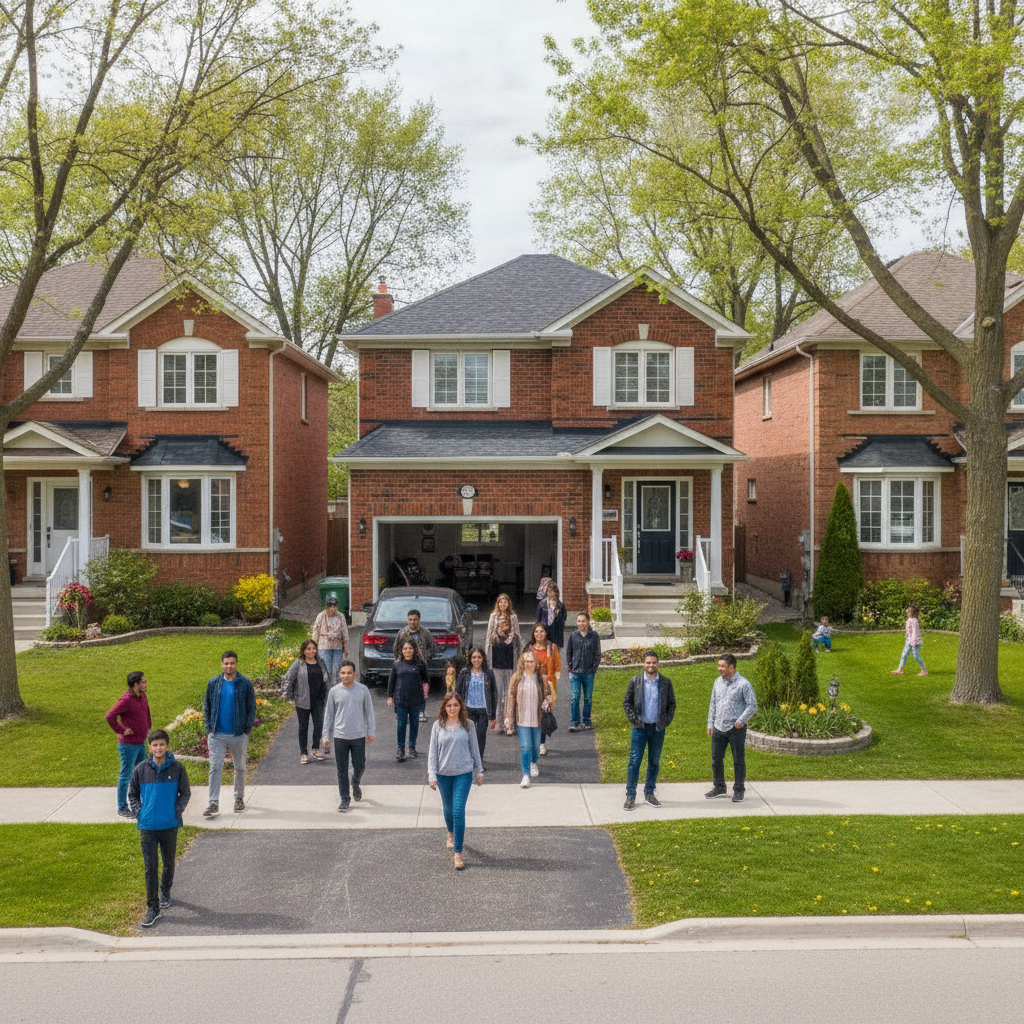
Brampton open house search tips are the step-by-step methods buyers use to plan routes, evaluate homes quickly, and follow up with confidence. A solid system helps you see more properties in less time, spot deal-breakers early, and compare options fairly. In Brampton, smart planning turns open houses into results.
By Robin Patel, Founder & Realtor (ABR, SRS, RENE) — RE/MAX METROPOLIS REALTY
Last updated: June 25, 2026
Above the Fold: Your Brampton Open House Game Plan
Build a fast, repeatable open house game plan: shortlist 8–12 homes, map a 60–90 minute route, spend 8–12 minutes per property on first pass, and capture 10 quick photos for recall. Then schedule 2–3 second looks within 24–48 hours. This cadence keeps decisions clear and momentum high.
Here’s how this complete guide helps you move from endless scrolling to confident offers, using the same structured approach we coach our Brampton buyers to follow each weekend.
- What an “open house search” really is — and why it matters in Brampton
- How to plan routes, time blocks, and quick-eval checklists that work
- Which home types and search approaches fit your goals (condos, townhomes, detached)
- Expert-led best practices, buyer tools, and example playbooks from local tours
- FAQ answers for real buyer questions, plus a practical next-steps checklist
- What Is an Open House Search?
- Why It Matters in Brampton
- How It Works (Step-by-Step)
- Types & Approaches
- Brampton Open House Search Tips
- Tools & Resources
- Case Studies & Examples
- Comparison Guide
- FAQ
- Conclusion & Key Takeaways
What Is an Open House Search?
An open house search is a focused plan to preview multiple listings in one outing, using a route map, a quick-evaluation checklist, and same-day follow-ups. It compresses discovery into a 2–4 hour window, helping you compare 6–10 homes side-by-side and narrow to 2–3 serious contenders.
Think of it as a scouting mission. You’re not trying to memorize every detail; you’re scanning for fit, flagging questions, and eliminating obvious misalignments.
- Time-boxed viewing: Most weekend open houses run 2–3 hours. Hitting a 60–90 minute route keeps energy and focus high.
- First-pass filter: Spend 8–12 minutes per home. If it’s a “maybe,” tag it for a private showing.
- Structured notes: Capture 10 photos and 5 bullets per property. That’s enough to compare later without overwhelm.
- Rapid follow-up: Shortlist 2–3 homes for second looks within 24–48 hours while your impressions are still fresh.
In our experience guiding Brampton buyers, this approach cuts decision time by 30–40% versus unstructured touring. The reason is simple: consistent inputs create clean comparisons.
Why Open House Strategy Matters in Brampton
Brampton’s inventory shifts quickly, and homes can draw 15–30 groups in a single weekend. A structured open house strategy lets you move faster, avoid fatigue, and surface the 10% of listings that truly fit your needs while others keep browsing aimlessly.
Brampton offers diverse stock — detached, semi-detached, townhouses, and condos — across family-friendly neighborhoods. With multiple listings opening the same afternoon, a plan prevents crisscrossing the city or missing the best windows.
- Competing efficiently: Expect overlapping times. Planning a 3–5 stop loop avoids 20–30 minutes of backtracking per tour.
- Reducing noise: Clear criteria (top 5 must-haves) reduce cognitive load by half and keep second looks objective.
- Focusing the offer: When a home fits 80–90% of needs, you’re ready to act while others debate.
We coach buyers to treat open houses as reconnaissance. Scout widely, then go deep on 2–3 front-runners with private showings and thorough due diligence.
How Open House Hunting Works (Step-by-Step)
Start with a map-based shortlist, design a 60–90 minute loop, and bring a one-page checklist. At each home, spend 8–12 minutes scanning layout, light, and red flags. Snap 10 photos, log 5 bullets, and move on. Same day, shortlist 2–3 homes for deeper private showings.
Here’s a reliable sequence we use with weekend buyers in Brampton.
- Define non-negotiables (10 minutes): Bedrooms, commute time, school preference, parking, outdoor space.
- Shortlist 8–12 homes (20 minutes): Group by a 10–15 minute drive radius to save 25–35 minutes on the road.
- Set a route (5 minutes): Order by start/finish times and traffic patterns.
- Pack your kit (5 minutes): One-page checklist, phone charger, water, socks for shoes-off homes.
- Tour cadence (60–90 minutes): 8–12 minutes per home, 3–5 minutes travel, 1–2 minutes note capture.
- Same-day triage (15 minutes): Star 2–3 homes for a deeper private showing within 24–48 hours.
Most buyers find their top choice within 2–3 weekends using this loop. The rhythm matters more than the route: quick scans, honest notes, swift second looks.

Types of Open Houses and Search Approaches
Use different open house formats to your advantage: public weekend opens for breadth, weekday twilight opens for quieter access, and private showings for depth. Pair formats with your goal—fast screening or detailed evaluation—to save time and surface the right shortlist.
Knowing which format to use accelerates decisions.
- Public weekend open (breadth): See 4–6 homes in 2–3 hours, compare layouts, and sense neighborhood energy.
- Twilight open (calmer pace): Weekday 5–7 p.m. slots often have 30–50% fewer visitors, allowing longer questions.
- Private showing (depth): Reserve 20–30 minutes; check windows, water pressure, storage, and noise.
- Builder preview (newer stock): Useful if you want 0–5 year homes with modern systems and fewer immediate upgrades.
Mix formats intentionally. For example, run a 4-home Saturday loop to compare floor plans, then book private showings for your top 2 on Sunday afternoon.
Brampton Open House Search Tips (The Playbook)
Anchor your Brampton open house search tips to three pillars: pre-plan routes and time blocks, use a 12-point quick-eval checklist, and debrief the same day to pick 2–3 winners. This structure prevents decision fatigue and speeds up your path to the right home.
Route design that saves time
- Cluster by drive time: Keep stops within a 10–15 minute radius to view 4–6 homes in 2–3 hours.
- Prioritize earliest closers: Visit homes that close in 90 minutes first, then those open for 2–3 hours.
- Plan parking: Budget 2–3 minutes to find safe parking, especially near busier intersections.
The 12-point quick-eval checklist
- Natural light in main living areas (morning vs afternoon)
- Floor plan flow: entry, kitchen, family room, bedrooms
- Noise levels: street, HVAC, neighbors
- Storage: closets, pantry, basement usability
- Windows and doors: seal, drafts, latching
- Water pressure: kitchen and at least one bath
- Electrical: number and placement of outlets
- Floor condition: creaks, slope, gaps
- Odors/moisture: basement corners, bathrooms
- Exterior glance: grading, downspouts, driveway
- HOA/condo rules (if applicable): pets, rentals, amenities
- Neighborhood feel: traffic, sidewalks, green space
Note-taking that works under pressure
- 10 photos, 5 bullets: Exterior, entry, kitchen, living, main bed, bath, basement, backyard, any concern, any wow.
- Score 1–5 on must-haves: Bedrooms, parking, commute, outdoor space, budget alignment.
- Color code: Green = advance to private showing; Yellow = needs info; Red = out.
Local considerations for Brampton
- Use campus anchor points like Ace Acumen Academy to estimate commute windows and weekend traffic patterns.
- If touring near Bond Park, expect heavier foot traffic on sunny afternoons; arrive 10–15 minutes before the open starts.
- For semi-detached or townhomes, check guest parking rules early; some blocks ticket within 15–20 minutes.
Follow this playbook two weekends in a row. Most buyers narrow to one clear favorite by weekend three if they hold the cadence and debrief within an hour of finishing the loop.
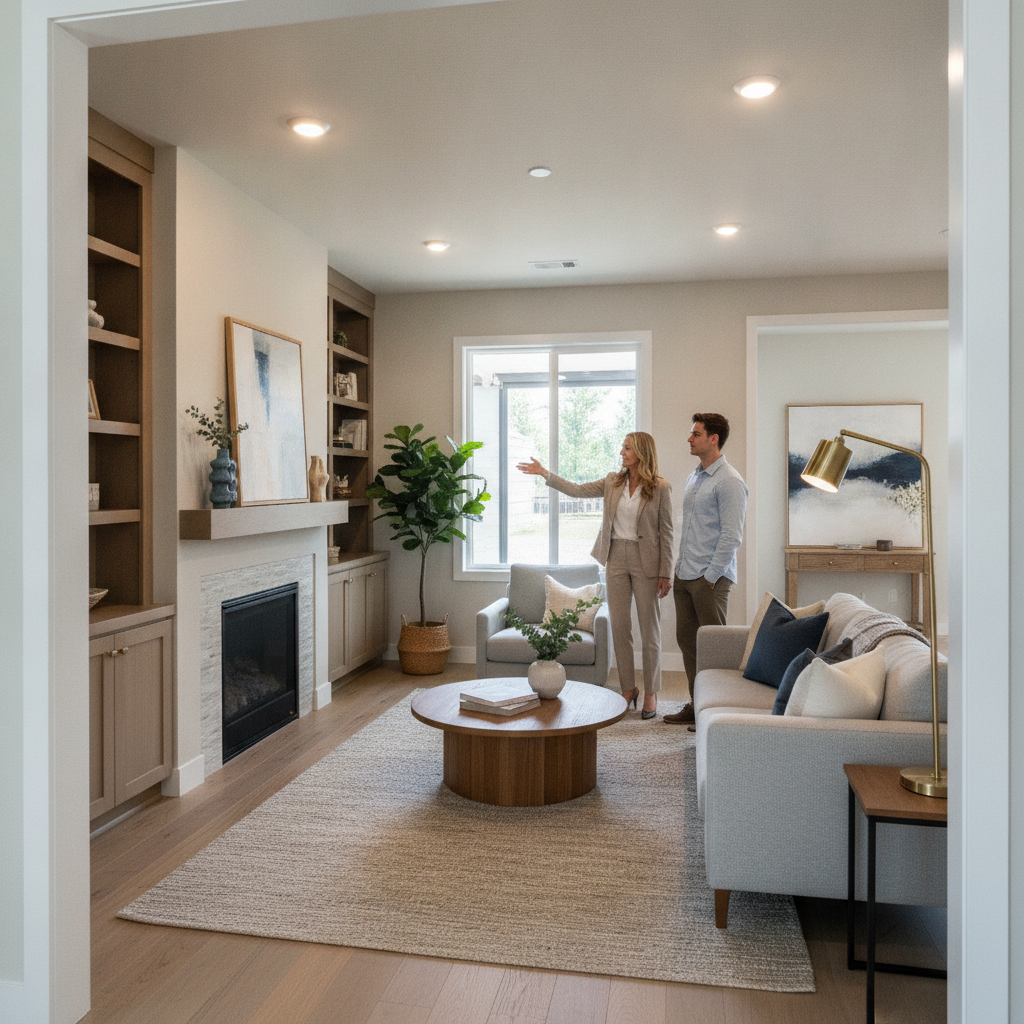
Tools and Resources That Give You an Edge
Combine a live property search, an address-based valuation tool, and concise buyer guides. This trio sharpens your shortlist, frames fair pricing, and prepares you to act. Keep everything on one screen to save 10–15 minutes per property during prep.
Our platform is built to accelerate decisions while reducing noise.
- Live property search: Filter Brampton homes by area, beds, and features. Save 6–10 favorites per route.
- “What’s My Home Worth?” estimator: Use the address-based tool to benchmark pricing for comps within 0.3–0.7 miles.
- Featured/showcase listings: Spot well-presented options that often deliver stronger value-per-square-foot.
- Free VIP real estate reports: Get clear checklists and timelines for buying, selling, and prepping offers.
- Buyer representation (ABR): Ask targeted questions at opens; we’ll turn answers into a negotiation plan.
- Seller representation (SRS): If you’re moving up, we’ll coordinate valuation and listing timing to avoid double moves.
For broader context on Ontario buying, you can skim this locally-focused explainer on the Ontario homebuying guide. For market narratives, this real estate marketplace overview offers a general snapshot. For community listings chatter, see this Brampton housing board. Use these as broad context only; your decision should rely on current, local comps.
Get a Route, a Checklist, and a Second-Look Plan
Want a custom Saturday loop (4–6 homes), a one-page checklist, and a 48-hour second-look plan? Call Robin at +1 647-360-1560. We’ll map your tour and prep targeted questions for each stop.
Case Studies & Examples From Recent Brampton Tours
Real tours show what works: cluster your route, keep first looks short, and debrief fast. In three recent buyer journeys, the winning homes surfaced by weekend two after 10–14 previews, 3–4 private showings, and a tight checklist that flagged red flags early.
First-time buyer narrowing fast
- Profile: Two-bedroom townhouse target, 1-car parking, 25–35 minute commute.
- Action: We mapped a 5-home Saturday loop in one quadrant to keep drives under 12 minutes.
- Outcome: After 11 previews and 3 private showings, they offered on a unit with 15% better storage than peers.
Move-up buyer avoiding double move
- Profile: Detached 3–4 bedrooms, need backyard and office; also selling a semi-detached.
- Action: We ran two 4-home weekend loops and synced a “What’s My Home Worth?” valuation to time their listing.
- Outcome: Found a backyard-facing lot; coordinated close dates to avoid temporary housing.
Condo buyer prioritizing quiet
- Profile: One-bedroom plus den, concrete building, gym access, pet-friendly.
- Action: Twilight opens Monday/Wednesday, then 2 private showings for acoustic checks and elevator wait times.
- Outcome: Selected a corner unit with 20–25% less hallway noise and strong amenities value.
These patterns repeat: tight routes, a 12-point scan, and 48-hour follow-ups consistently produce clear winners without burnout.
Open House vs. Private Showing vs. Broker Tour (Comparison Guide)
Use open houses for speed and breadth, private showings for depth and diligence, and broker tours for agent-to-agent insight. Most buyers win with a mix: 8–12 previews first, then 2–3 private showings before offers. Each format has a distinct job.
| Format | Best For | Typical Time | Pros | Watch Outs |
|---|---|---|---|---|
| Open House | Screening 4–6 homes fast | 8–12 min/home | Low friction, side-by-side comparisons, vibe check | Less privacy; can miss details if you linger too long or too little |
| Private Showing | In-depth evaluation | 20–30 min/home | Quiet, thorough checks (windows, water, storage) | Requires scheduling; fewer direct comps same day |
| Broker Tour | Agent intel and context | Varies (weekday) | Negotiation clues, coming-soon insights | Buyer may not attend; relies on agent relay |
Frequently Asked Questions
Brampton buyers ask about timing, what to bring, how many homes to see, and when to book private showings. The short answers: tour 4–6 homes in 2–3 hours, bring a one-page checklist, and schedule 2–3 private showings within 24–48 hours if a place feels like a fit.
How many open houses should I see in one day?
Aim for 4–6 in a 2–3 hour window. Spend 8–12 minutes per home on a first pass, then shortlist 2–3 for private showings. This balance keeps you fresh and produces cleaner comparisons.
What should I bring to an open house?
Bring a one-page checklist, phone charger, socks for shoes-off homes, and space on your phone for 10 photos per property. If you’re serious, add a tape measure to confirm furniture fit in key rooms.
When should I book a private showing?
If a home fits 80–90% of your must-haves, schedule a private showing within 24–48 hours. Use that time to check windows, water pressure, storage, noise, and any items you flagged during the open house.
Do I need a buyer’s agent for open houses?
While you can tour on your own, an Accredited Buyer’s Representative (ABR) helps you ask sharper questions, interpret seller signals, and structure offers. Many buyers report faster, less stressful decisions with a dedicated advocate.
Conclusion & Key Takeaways
A winning Brampton open house search is simple: cluster your route, scan quickly with a 12-point checklist, and book 2–3 private showings within 48 hours. Keep notes consistent, compare like-for-like, and act when a home meets 80–90% of needs.
- Plan small loops: 4–6 homes within a 10–15 minute drive saves 25–35 minutes.
- Keep first looks short: 8–12 minutes per home with 10 photos and 5 bullets.
- Debrief same day: Pick 2–3 winners for deeper checks.
- Leverage tools: Live search, address-based valuation, and VIP reports sharpen decisions.
Ready to turn weekends into results? Call +1 647-360-1560 to get a custom Brampton open house loop and a focused second-look plan.
Explore Next: Buyer-Focused Guides
Build on your momentum with focused next steps: lock your must-have list, prep a private-showing checklist, and outline a same-day debrief routine. These habits compound, helping most buyers choose a front-runner within two to three weekends.
- Private Showing Deep-Dive: 20–30 minute evaluation flow
- Offer Readiness: Documents and contingencies to clarify early
- Neighborhood Fit: Commute, noise, green space, and weekend rhythm
- Seller Signals: How to read listing agent answers without guesswork