
Home Report: Spot Value Changes Fast in Brampton 2026
Get a Brampton property report for homeowners to clarify value, comps, and timing. Learn steps, sources, and local nuances to plan a confident next move.
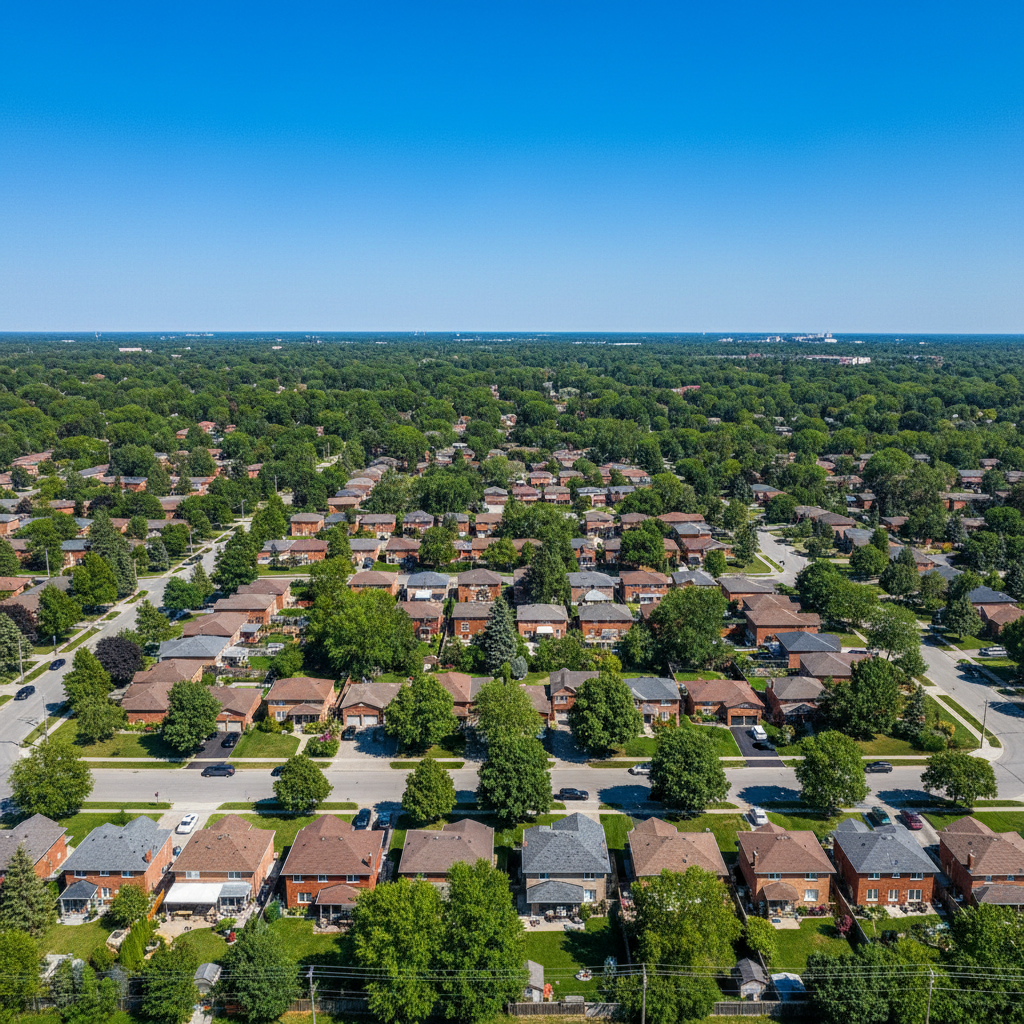
A Brampton property report for homeowners is a clear, address-specific briefing on market value, comparable sales, and listing readiness. Prepared by Robin Patel from 52 Scarsdale Rd Suite 205 in North York and focused on Brampton, it helps you decide when to sell, refinance, or renovate using current MLS activity and real neighborhood signals.
By Robin Patel — RE/MAX METROPOLIS REALTY
Last updated: 2026-06-01
Start Here: Your Brampton Home Report at a Glance
A Brampton homeowner report shows today’s value, local demand, and the exact steps to get listing-ready. Grounded in real sales around your block, it translates Toronto-metro trends into street-level strategy. Use it to plan upgrades, time the market, and move confidently in the next 30–90 days.
This above‑the‑fold section orients you fast. You’ll see what a homeowner report includes, why it matters in 2026, how it’s built, and how to act on it. We also map out tools, local nuances, and brief case studies so you can put insights to work the same week.
Table of contents
- Quick Summary
- What Is a Brampton Property Report for Homeowners?
- Why a Brampton Property Report Matters in 2026
- How the Homeowner Report Works (Step-by-Step)
- Types of Reports and Data Sources in Brampton
- Best Practices to Read and Act on Your Report
- Tools and Resources for Brampton Homeowners
- Case Studies and Real-World Examples
- Frequently Asked Questions
- Key Takeaways and Next Steps
Quick Summary
Your Brampton property report for homeowners blends a Comparative Market Analysis, municipal records, and hyperlocal trends. It clarifies value, timing, and prep work in one place. Read it in 10 minutes, then act on a 30–60–90 day plan to protect equity and position your home to win buyer attention.
In plain English, the report shows where your home sits in the market right now. You’ll see recent nearby sales, competing active listings, days-on-market patterns, and factors that add or subtract perceived value. We then convert those signals into a short, realistic action plan you can follow this quarter.

What Is a Brampton Property Report for Homeowners?
A Brampton property report for homeowners is a tailored briefing that estimates your home’s market value, analyzes nearby sales, and outlines listing-readiness steps. It’s built from current MLS data, city records, and neighborhood insights so you can choose whether to list, hold, refinance, or renovate—without guesswork.
Think of it as your one-page dashboard plus supporting pages. It distills hundreds of data points into a few decisive signals: price range today, buyer demand in your micro-area, and the prep items that shift outcomes. We assemble it with the same care we use for active listings, but focused on your decision-making.
- Core components: address-specific CMA, 5–7 best comparables, inventory snapshot, and days-on-market window.
- Condition overlays: age of roof/windows, permit history, recent upgrades, and curb appeal notes.
- Neighborhood context: school catchment dynamics, commute patterns, and seasonal listing rhythms.
- Action plan: prioritized fixes, staging cues, photography prep, and showing strategy.
In our experience representing Brampton owners, the biggest win comes from clarity. When you know how your home stacks up against the three most persuasive comparables, you can stage to strengths, set expectations, and move when the odds favor you.
Why a Brampton Property Report Matters in 2026
Market conditions change month to month. A current Brampton homeowner report translates shifting demand into clear next steps: when to list, what to fix, and how to negotiate. Up-to-date comps and inventory patterns help you avoid stale pricing and missed buyer windows in 2026.
Here’s the thing: buyers compare quickly and act on perceived value. If you’re working from a six-month-old assumption, you might miss an emerging micro-trend on your own block. Fresh data trims uncertainty and reveals whether speed-to-market or a slight hold strategy fits your goals.
- Timing edge: tracking new listings and accepted offers weekly reveals micro-shifts in buyer urgency.
- Upgrade ROI: a simple, neutral repaint and lighting update often improves photography and first-showing impression.
- Negotiation readiness: knowing the 2–3 most similar homes that sold this quarter anchors counteroffers to facts, not feelings.
For many homeowners, a report becomes the “single source of truth.” It guides whether to pursue minor updates now, build curb appeal, or hold for a stronger seasonal window. That kind of clarity reduces stress and supports smarter moves.
How the Homeowner Report Works (Step-by-Step)
We build your Brampton homeowner report in seven steps: intake, data pull, comparable selection, adjustments, micro-trend review, recommendations, and follow-up. Each step narrows uncertainty so your 30–90 day plan is specific, realistic, and aligned to your goals.
Below is the practical process we follow when creating a decision-grade report for your address. It keeps things consistent and transparent, so you always know why a recommendation appears.
- Intake and goals: clarify timing, must-haves, and any constraints (e.g., move date, school calendar).
- Data pull: gather MLS activity, municipal records, and owner-supplied updates; note any permits or major work.
- Comparable selection: choose 3–7 strong comps within a tight radius and inside a 60–120 day window when possible.
- Feature adjustments: account for bed/bath count, lot position, finished basement, parking, and recent improvements.
- Micro-trends: study subdivision-level days on market, list-to-sale patterns, and buyer traffic signals.
- Recommendations: present a prioritized cut list of prep items and an initial value range with rationale.
- Follow-up: align on next steps: refresh in 30–60 days, begin pre-listing prep, or monitor one more cycle.
We document the rationale behind each adjustment so you can see the math and the judgment calls. That transparency is key to trust—and to making decisions you’ll feel good about months later.
Types of Reports and Data Sources in Brampton
Homeowner reports blend several source types: an agent-prepared CMA, municipal property records, third-party estimators, and hyperlocal trend readings. Together, they cross-check value, reveal risk points, and prevent outdated assumptions from sneaking into your decision.
Each source plays a role. A CMA anchors value in real, recent sales. City records confirm permit history and major work. Third-party estimators surface directional signals, while boots-on-the-ground insights explain what the data can’t—like a cul-de-sac’s quiet advantage.
| Source | What it shows | Best use | Watch-outs |
|---|---|---|---|
| Agent CMA | Recent nearby sales, active/expired comps, adjustments | Primary value anchor and strategy | Quality depends on comp selection and local expertise |
| Municipal records | Permits, zoning, and property details | Validate upgrades, reduce buyer objections | Records may lag; verify key items in person |
| Third‑party estimators | Automated value signals and trends | Supplemental context; not a pricing decision | May miss condition, micro-location, and upgrades |
| Street‑level insights | Noise, orientation, parking, curb appeal | Explains photo click‑through and showing feedback | Subjective; align with data and photos |
When we assemble your report, we’re not chasing a single “perfect” number. We’re triangulating a realistic range and a plan to capture the top of that range by controlling what we can: presentation, timing, and negotiation.
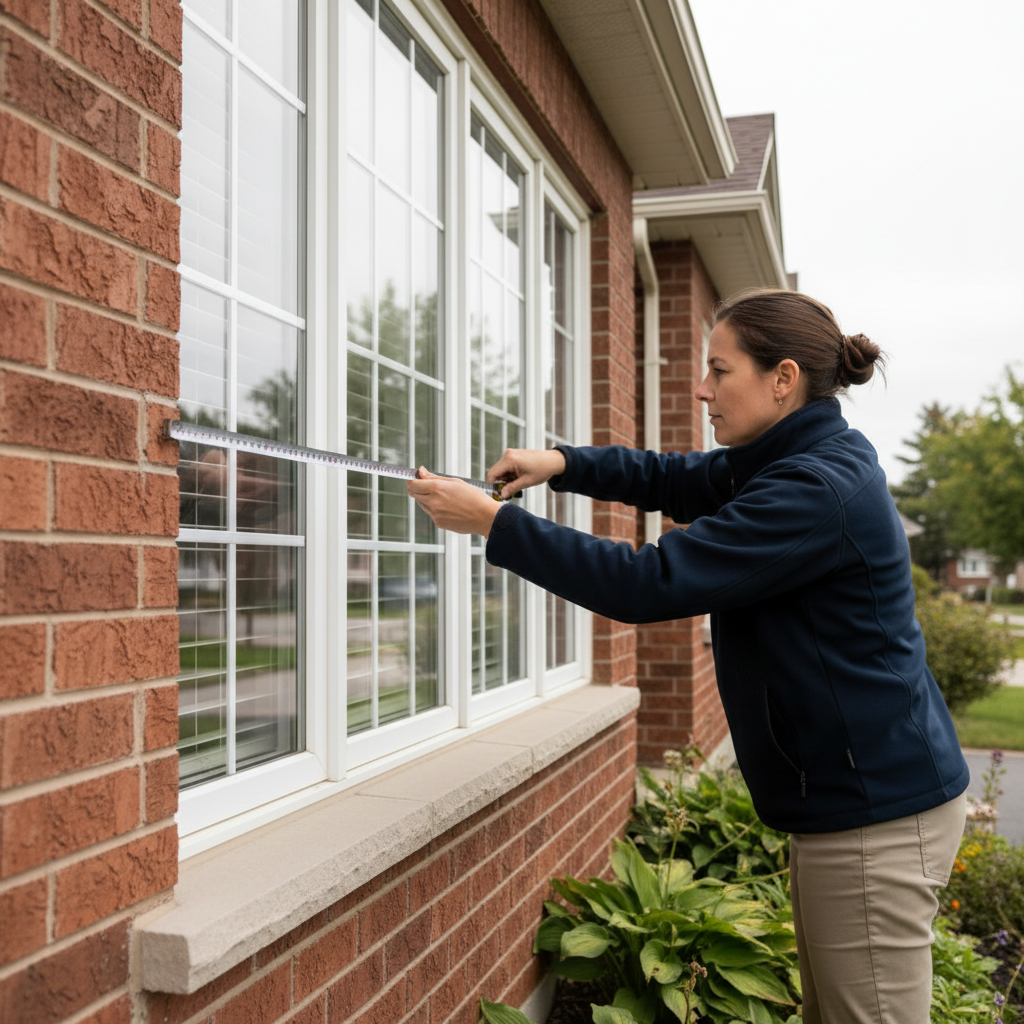
Best Practices to Read and Act on Your Report
Read your Brampton property report for homeowners with three anchors in mind: best comparables, current inventory, and days on market. Then turn insights into a 30–60–90 day plan covering prep, photography, and listing windows that fit your life—school, commute, and key dates.
Most outcomes hinge on a few disciplined moves. Use these practices to keep decisions calm, fast, and grounded.
- Prioritize comparables: circle the 3 strongest comps and note why buyers chose them. That’s your playbook.
- Watch inventory: if new listings tick up in your pocket, buyers gain options—adjust timing or presentation.
- Lean into curb appeal and lighting when supply rises—it sharpens first impressions.
- When supply tightens, be ready to move: disclosures, photos, and showings queued.
- Control presentation: neutral paint, decluttered surfaces, and consistent temperature make showings feel effortless.
- Use a weekly cadence: quick Friday check‑ins keep you aligned with micro-shifts before weekend traffic.
- Document everything: a simple binder (permits, manuals, upgrade dates) reduces buyer hesitation and supports stronger terms.
When we coach clients through these moves, we see smoother offers and fewer surprises. The plan doesn’t need to be complicated; it needs to be consistent and executed on time.
Tools and Resources for Brampton Homeowners
Combine an address-based valuation, location-focused search, and curated market insights to act fast. Use your homeowner report as the hub, then layer in trusted explainers on reading market data and understanding Toronto-metro dynamics to keep decisions current and practical.
Here’s a tight toolkit we recommend during report review and prep. It balances local specificity with easy-to-use explainers.
- Address-based valuation: start with a quick estimate to frame your range; verify with a CMA and onsite review.
- MLS search by neighborhood: watch new actives and pendings in your micro-area each week.
- How to read market data: a practical explainer on interpreting inventory and days-on-market can speed decisions—see this guide to reading a market report for a walkthrough.
- Toronto-metro context: for a big-picture backdrop on trends, skim a recent Toronto market overview.
- Valuation perspectives: compare methods and pitfalls in this Ontario home value explainer to understand what automated tools miss.
Local considerations for Brampton
- Near Bond Park, weekend sports and traffic can affect showing windows—stack appointments for late mornings or early evenings.
- Spring listings often accelerate after school breaks; aim to finish paint and landscaping by late winter to be photo-ready.
- Around Ace Acumen Academy, student and staff movement can nudge condo turnover; watch micro-trends before locking timing.
Use these local nuances to shape your calendar and showing logistics. The report highlights them explicitly when they matter to your block or building.
Free 15-minute alignment call: Bring your draft homeowner report. We’ll pressure-test comps, timing, and prep priorities so you leave with a confident 30–60–90 day plan.
Case Studies and Real-World Examples
Real examples show how a Brampton homeowner report turns data into results. By aligning comps, timing, and prep, owners simplify decisions—whether downsizing, moving up, or optimizing a rental. These brief scenarios mirror typical goals and constraints we see in the field.
Here are three condensed stories that track from report to result. Names and specifics are generalized, but the patterns are real.
Case 1: Downsizer in a detached home
- Situation: 12 years in a detached; aim to move closer to family.
- Report insight: best comps showed shorter days on market for refreshed curb appeal and bright interiors.
- Actions: front-door repaint, lighting update, deep clean, and early-week photo slot.
- Outcome: stronger showing feedback and clearer negotiation footing anchored to two recent nearby sales.
Case 2: Move-up buyer targeting a suite-ready detached
- Situation: selling a townhouse to buy a detached with rental potential.
- Report insight: micro-trend favored finished basements with separate entries in the pocket.
- Actions: sharpen listing window to match buyer traffic; prepare a simple improvement log and manuals binder.
- Outcome: smoother offer discussions; selection of next home aligned to desired features and commute.
Case 3: Investor optimizing a condo hold
- Situation: deciding whether to hold or swap to a different building.
- Report insight: days-on-market spread by building revealed one asset class with steadier absorption.
- Actions: refresh valuation quarterly; compare rentability signals and maintenance cadence.
- Outcome: clearer hold-or-move choice with a documented rationale.
In each scenario, the report did the heavy lifting by removing guesswork. Owners could point to comps, see inventory in motion, and commit to a plan that matched their calendar and risk tolerance.
Frequently Asked Questions
These quick answers address the most common questions Brampton homeowners ask about property reports. Each response is concise and practical so you can move forward with confidence and request deeper analysis when needed.
How often should I refresh my Brampton homeowner report?
Review it at least every 60–90 days, or sooner if several comparable homes list or sell near you. A brief refresh keeps timing and presentation decisions aligned with the very latest neighborhood signals.
What’s the difference between a CMA and a formal appraisal?
A CMA is an agent-prepared market analysis used to estimate a likely sale range and strategy. A formal appraisal is an independent valuation typically used by lenders. Both study comparables, but the appraisal follows specific lending standards and is not a marketing strategy.
Can I trust online estimates for my Brampton home?
Treat them as directional. Automated tools can miss condition, permits, and micro-location details that change buyer perception and price. Use them to frame questions, then confirm with a CMA and a brief onsite review.
Do I need permits or records before listing?
It helps to gather any permits and manuals for major work, plus a simple improvement log. Having documentation ready reduces buyer objections and speeds negotiation because you can answer condition questions on the spot.
Key Takeaways and Next Steps
A Brampton property report for homeowners clarifies value, timing, and prep in one place. Focus on comparables, inventory, and days on market, then commit to a 30–60–90 day plan. Align with a local pro for cadence and negotiation, and refresh the report as nearby sales shift.
- Key takeaways:
- Use the report as your single source of truth for the next 90 days.
- Prioritize presentation and timing—two levers you fully control.
- Anchor counters to your top two comps from the current quarter.
- Immediate actions:
- Request an address-specific CMA and quick onsite review.
- Start a simple binder with permits, manuals, and upgrade dates.
- Schedule photos once prep is 90% complete and weather cooperates.
- Soft CTA: Share your homeowner report for a free 15‑minute alignment call to pressure‑test timing and prep.