
Brampton Listings: Find the Right Home Faster in 2026
Brampton residential listing search tips to find MLS homes faster. Learn filters, maps, alerts, tools, and local insights to tour less and buy smarter.

Brampton residential listing search tips are practical steps to find MLS homes quickly and confidently. From our North York office at 52 Scarsdale Rd Suite 205, we help Brampton buyers use smarter filters, instant alerts, and local timing to win better homes with fewer showings.
By Robin Patel — Last updated: 2026-06-22
Overview
Use focused filters, saved searches with alerts, and neighborhood-level insights to find Brampton listings faster. Pair MLS data with on-the-ground context, preview homes virtually, and tour promptly. Tight feedback loops reduce time-on-task and help you act decisively when the right home appears.
This complete guide shows you how to combine tech, timing, and local knowledge to speed up your Brampton property search. You’ll learn how to set criteria, shape your map, and automate discovery—then tour, compare, and negotiate with confidence backed by ABR, SRS, and RENE credentials.
- What a “residential listing search” really is in 2026
- Why smarter searches beat endless scrolling by 3–5x
- How to configure filters, maps, and alerts that work
- Approaches for condos, towns, semis, and detached
- Best practices for tours, comps, and offer timing
- Tools we use: MLS, valuation, reports, and checklists
- Mini case examples pulled from Brampton streets
What is a Brampton residential listing search?
A Brampton residential listing search is a targeted process for discovering available condos, townhouses, semis, and detached homes using MLS feeds, map filters, and alerts. It converts broad goals into concrete criteria so you only see homes that match your timing, lifestyle, and must-have features.
Practically speaking, a strong search translates your must-haves and nice-to-haves into data points. That includes neighborhoods, school zones, commute times, lot types, and home features. The result: less noise, more signal, and better confidence when you’re ready to book tours or write.
What goes into a great search brief
- Core specs: beds, baths, parking type, square-footage band, layout preferences.
- Location anchors: commute windows (in minutes), transit lines, and school catchments.
- Home features: finished basement, ceiling heights, light exposure, outdoor space.
- Condition band: ready-now vs. light updates; age range to reduce “surprise” repairs.
- Deal breakers: floodplain zones, awkward lots, or restrictive condo bylaws.
Once we codify this brief, saved searches and alerts do the heavy lifting. Instead of skimming 50+ listings daily, you see 3–7 that match 80–90% of your profile. That ratio is what keeps energy high across 2–3 weeks, not 2–3 months.
Why listing search strategy matters for Brampton buyers
In the Toronto metro, Brampton buyers win by pairing MLS precision with local speed. Clear criteria, instant alerts, and fast tours reduce misses and prevent offer fatigue. A defined workflow helps you evaluate fewer but better homes—and act decisively when the right one appears.
Here’s the thing: without a plan, it’s common to tour 10+ homes that never had a chance. With a plan, you’ll typically tour 4–6 targeted options over 7–10 days, then focus on the best 1–2. That shift preserves momentum and supports cleaner, calmer decisions.
- Speed matters: strong homes often draw multiple showings in the first 48 hours.
- Clarity saves time: tight filters drop daily candidates from dozens to a high-quality handful.
- Consistency compounds: weekly debriefs sharpen fit and reduce second-guessing.
- Representation counts: ABR, SRS, and RENE-backed guidance aligns search, valuation, and terms.
In our experience, the buyers who set clear rules of engagement early (alerts on, tours booked within 24–48 hours, shortlist updated after every viewing) reach “offer-ready” confidence roughly 30–40% faster than unstructured searches.
How the search works (step-by-step)
Great searches follow a repeatable loop: define criteria, set filters and map shape, enable alerts, preview virtually, tour promptly, and refine weekly. Each pass tightens fit and raises confidence until you’re ready to write a compelling, well-supported offer.
- Define must-haves: beds, baths, parking, layout, outdoor space.
- Pick sub-areas: proximity to transit, schools, and parks you’ll actually use.
- Set smart filters: focus on age range, lot type, basement, and exposure.
- Save searches + alerts: daily or instant notifications for fresh inventory.
- Pre-screen listings: photos, floor plans, 3D tours, and street view.
- Tour promptly: book within 24–48 hours when feasible.
- Debrief + adjust: update filters after each tour to sharpen results.
Search timeline and workflow table
| Phase | Action | Signal of Fit | Next Step |
|---|---|---|---|
| Week 1 | Set filters + alerts | Alerts show 3–5 daily matches | Book preview calls |
| Week 2 | Tour 4–6 best matches | 2–3 meet 80% of criteria | Refine must-haves |
| Week 3 | Focus on top 1–2 | Comps support value + fit | Prepare offer terms |
We keep the loop short. A 7-day window for initial tours followed by a 7-day refinement phase is typical. The moment comps and condition align, we’re ready to shape terms that protect you while staying competitive—thanks to negotiation discipline shaped by the RENE designation.
Types, methods, and approaches
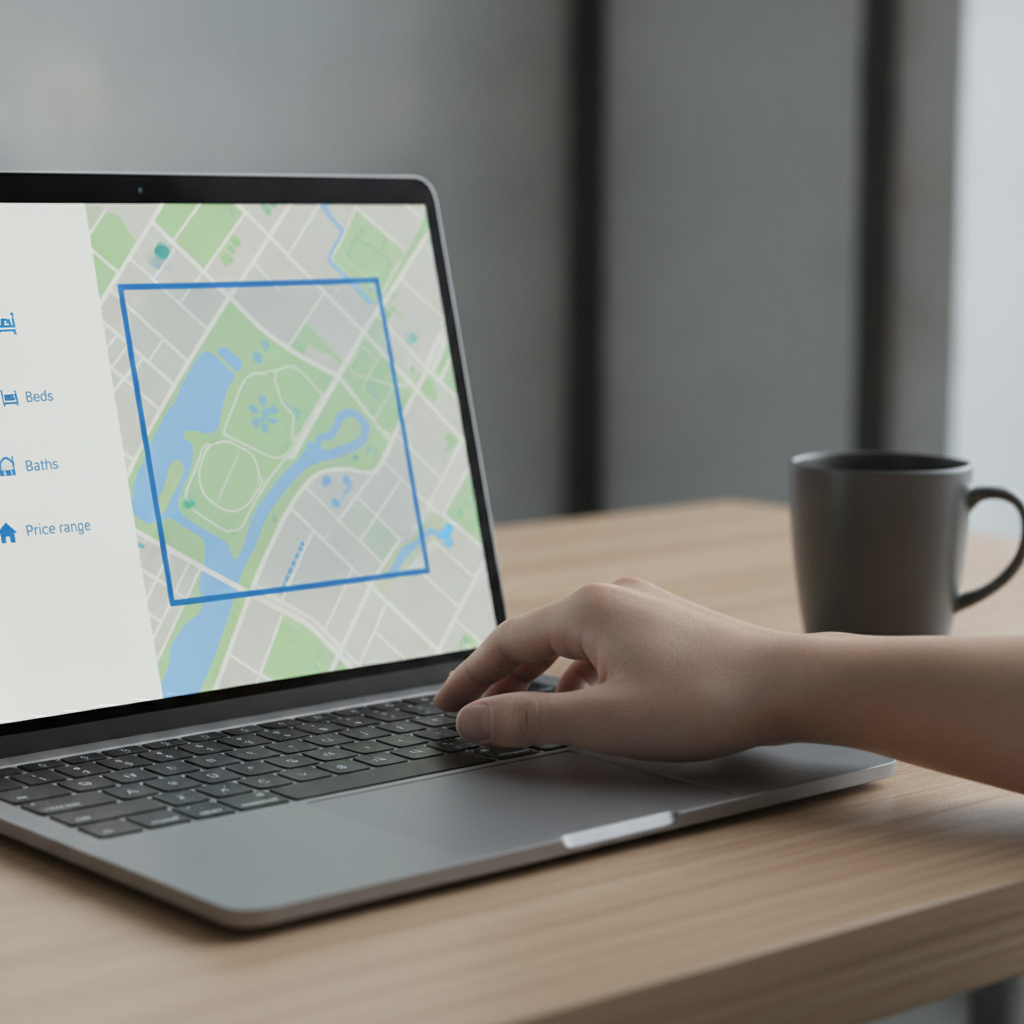
Use distinct approaches for condos, towns, semis, and detached homes. Condo searches prioritize building data; towns weigh freehold vs. condo rules; semis and detached hinge on lot, parking, and potential. Match your filters and tours to the housing type so results align with lifestyle.
Condos
- Scan building data: amenity stack, pet rules, and maintenance fee trend over 12–24 months.
- Compare layouts: storage, split bedrooms, and natural light by floor/exposure.
- Validate value: in-building sales and days-on-market benchmarks guide fair terms.
- Action: shortlist 2–3 buildings with proven floor plans, then set building-specific alerts.
Townhouses
- Clarify ownership: freehold vs. condo-town impacts rules, insurance, and monthly obligations.
- Everyday function: parking, backyard usability, and snow/yard responsibilities.
- Ergonomics: interior width, stair runs, and natural light—tour at different times of day.
- Action: filter to your preferred ownership type and parking, then batch-tour 3 in one outing.
Semi-detached and Detached
- Lot logic: shape, driveway stacking, and side-yard access for daily life and future use.
- Basement utility: ceiling height, moisture signs, and separate entrance potential.
- System age tells: roof/HVAC hints in photos and remarks—note service dates if disclosed.
- Action: prioritize layout + lot over cosmetics; paint/flooring are easier than driveway width.
Different property types reward different search behaviors. A condo hunt thrives on building-specific alerts. A detached hunt benefits from tight map shapes around favored streets and school walks. Both lean on comps and tour feedback to confirm fit.
Best practices to find the right home faster
Dial in location first, then filters. Use instant alerts, preview aggressively, and tour quickly with a tight shortlist. Debrief after each outing and trim your criteria. Repeat weekly until a top match appears and you’re positioned to negotiate with clarity.
- Anchor to life: commute minutes, school picks, and parks you’ll actually use.
- Use ranges: bed/bath minimums and realistic age bands prevent false negatives.
- Automate discovery: saved searches + instant alerts for must-haves, daily for nice-to-haves.
- Batch tours: view 3–4 in one trip for apples-to-apples calibration.
- Rate fast: 1–5 on layout flow, light, storage, and noise right after each showing.
- Recheck comps: weekly CMA rounds keep value aligned with current activity.
- Stay offer-ready: when a home clears 85–90% of your brief, be prepared to write.
Local considerations for Brampton
- Use weekday evening windows to avoid weekend traffic near Bond Park when touring nearby streets.
- Spring and early fall bring active inventory; set faster alerts during those peaks.
- Proximity to Ace Acumen Academy can influence daytime traffic and transit access; factor it into commute filters.
These small operational tweaks—five-minute earlier alert checks, tours within 24–48 hours, and rapid debriefs—shave days off your timeline without adding stress.
Tools and resources that actually help
Pair MLS search with valuation and local reports. Use an address-based “What’s My Home Worth?” check, download VIP market guides, and keep a living shortlist in a shared note. The right tools cut guesswork and make every tour more decisive.
- Location-based search: map shapes, draw tools, and building filters.
- Address-based valuation: quick snapshots to sanity-check list vs. likely value.
- VIP market reports: trend summaries and checklists you can review in 10 minutes.
- Shared shortlists: pros/cons, 1–5 ratings, and must-fix notes right after showings.
- Instant alerts: must-haves pushed to you immediately; everything else in daily digests.
On our site, buyers tap a simple location-first search, then layer in beds, baths, parking, and age. Sellers use the address-based “What’s My Home Worth?” tool to benchmark value, then request a CMA when they’re considering market timing. That synergy keeps both sides informed.

Need a head start? We’ll configure your saved searches, tune alerts, and build a first shortlist in one 20-minute setup call—so you can start strong this week.
Mini case examples from Brampton streets
When buyers tighten filters and respond to alerts quickly, time-to-offer often shrinks from weeks to days. Real scenarios show how map boundaries, instant notifications, and batch tours converge to unlock better fits with less second-guessing.
First-time buyer, condo focus: We narrowed from “any two-bed” to three buildings with south light and parking. Alerts flagged two options within 72 hours; one tour day clarified the winner. The split-bedroom plan and low days-on-market supported swift, confident terms.
Move-up family, semi vs. detached: The map targeted streets by a favored school. A split-lot semi with high basement ceiling beat larger, longer-commute detached options. A quick CMA confirmed alignment with recent sales, and we shaped terms around flexible closing.
Investor, townhouse: Filters focused on freehold rows with workable snow plans and tenant-friendly layouts. Weekly comp checks sustained conviction; acting on a day-one alert secured a layout that rents reliably. Debriefs after each tour honed the buy box.
Looking for broader perspective beyond Brampton? For first-timers, a Toronto buyer guide offers foundational steps you can adapt locally.
Frequently Asked Questions
Brampton listing searches work best with precise criteria, instant alerts, and quick tours. Below, we answer common buyer questions so you can calibrate faster and avoid typical pitfalls.
What filters save the most time?
Minimum beds and baths, parking type, and a tight map boundary save the most time. Add age range, finished basement, and exposure to refine. Keep price as a band, not a hard line, so you don’t miss near-fits worth touring.
How often should I check listings?
Use instant alerts for must-see matches and daily summaries for broader picks. Check your shortlist after each tour, then adjust filters weekly. Consistent, light-touch review beats marathon scrolling sessions and keeps energy high.
Do virtual tours replace in-person showings?
Virtual tours are great for pre-screening and eliminating mismatches. They rarely replace in-person showings for layout flow, noise, and light. Use them to prioritize, then tour your top two to three quickly while momentum is strong.
Should I expand my map if nothing fits?
Before expanding, trade a lower-impact feature (like flooring) for a higher-impact one (layout, parking, commute). If fit still lags, extend the boundary by one transit stop or 10 minutes of drive time, then retest your alerts for a week.
Conclusion and next steps
A tighter search beats a broader one. Set clear criteria, automate alerts, tour decisively, and adjust weekly. Those habits reduce noise and surface the right homes faster—so you can move forward with confidence.
- Lock core filters and map shape around daily life.
- Enable instant alerts for must-haves; summarize the rest daily.
- Batch tours and debrief consistently using simple 1–5 ratings.
- Review comps and valuation snapshots before you write.
If you’re ready to make your search effortless, we’ll set up filters, alerts, and your first shortlist together—then guide tours, comps, and terms with ABR, SRS, and RENE expertise.