
Home Buying Mistakes: Save Money & Buy Smarter in 2026
Avoid common home buying mistakes in Brampton and the GTA. A 2026 guide with steps, checklists, and local tips from Robin Patel, ABR, SRS, RENE.

Common home buying mistakes are avoidable errors in financing, search, offers, and closing that cause stress, delays, or overpaying. From our North York office at 52 Scarsdale Rd, Robin Patel guides Brampton and GTA buyers to sidestep these pitfalls using ABR-backed strategy, location-based search, and address-level valuation tools.
By Robin Patel — Founder & Realtor, RE/MAX METROPOLIS REALTY
Last updated: 2026-05-20
Quick Summary
Avoid home buying mistakes by securing a real pre-approval, analyzing recent solds, writing data-driven offers with protective conditions, and documenting every step. A written plan, verified numbers, and disciplined negotiation reduce surprises and help you buy the right home on your terms.
You want straight answers and a clear path. Here’s what this complete guide delivers so you can act confidently today.
- What counts as a mistake: preventable missteps that weaken your position or add risk.
- Where mistakes happen: budget, search, showings, offers, appraisal, closing.
- How to avoid them: pre-approval, comps, conditions, documentation, and post-close planning.
- Local angles: North York/Toronto market rhythms that affect Brampton buyers.
- Tools you can use now: location-based search, address valuation, and VIP reports.
What are common home buying mistakes?
Common home buying mistakes are preventable decisions—like skipping pre-approval, misreading comparables, waiving key conditions, or ignoring ownership costs—that reduce leverage, add risk, and can lead to overpaying. Clear financing, accurate market data, and disciplined offer terms prevent most of these errors.
In practice, buyers stumble when speed overwhelms structure. A strong plan starts with verified financing, a written search brief, and a data-first approach to offers and conditions. That turns guesswork into measured moves.
- Financing gaps: confusing pre-qualification with pre-approval; expired rate holds.
- Market misreads: relying on list prices instead of recent solds within 60–90 days.
- Offer risks: waiving inspection or financing conditions without backups.
- Due diligence: skipping sewer scopes, roof/HVAC assessments, or title checks.
- Ownership math: underestimating maintenance cycles for roofs, windows, and systems.
Why avoiding mistakes matters
Avoiding buyer mistakes preserves leverage, prevents avoidable repairs, and keeps timelines intact. Even one missed disclosure or rushed waiver can cascade into delays, renegotiations, or shortfalls. A documented, numbers-led process reduces surprises and protects your future cash flow.
Mistakes compound. A waiver to “win today” can trigger appraisal gaps or inspection surprises tomorrow. A clean file—clear financing, verified comps, and written timelines—helps you move from accepted offer to keys in hand without drama.
- Leverage: Sellers respond to buyers who present pre-approval letters and recent-sold analysis.
- Timing: Defined condition windows (often 5–10 days) buy necessary time without losing momentum.
- Cash flow: Planning for first-year ownership items (filters, minor fixes, safety upgrades) avoids crunches.
- Confidence: A repeatable checklist keeps emotions from steering key decisions.
How mistakes creep into the process
Buying a home follows predictable stages—budgeting, search, showings, offers, underwriting, and closing. Errors show up when steps are skipped: thin pre-approvals, weak comps, rushed conditions, or poor documentation. Treat each stage as a gate with specific checks, not a blur to “get through.”
Here’s the practical, step-by-step path our Brampton buyers use to stay in control from day one.
- Budget & pre-approval: Secure a lender-verified pre-approval and a rate hold (often 60–120 days).
- Search & shortlisting: Write a search brief; track 3–5 recent solds per neighborhood to anchor value.
- Showings & diligence: Note system ages (roof/HVAC/windows) and request disclosure documents early.
- Offers & conditions: Use data-driven pricing; include inspection, financing, and review periods.
- Appraisal & underwriting: Prepare for documentation asks; confirm timelines with the lender in writing.
- Closing & move-in: Set reminders for utilities, insurance, walk-throughs, and first-week fixes.
The 11 biggest buyer mistakes (and what to do instead)
The most costly mistakes include weak pre-approvals, chasing list prices, waiving key conditions, ignoring inspections, and underestimating ownership. Replace guesswork with sold-comparable data, protective clauses, and a post-close plan. Small process upgrades here prevent large regrets later.
Financing & planning
- Confusing pre-qualification with pre-approval → Fix: obtain a lender-signed pre-approval with a rate hold and conditions.
- Letting pre-approval expire → Fix: track expiry; refresh documents if shopping beyond 60–120 days.
- No post-close cash plan → Fix: list first-year items (filters, locks, detectors, minor safety fixes) and set timelines.
Market reading & valuation
- Using list price as value → Fix: base offers on 3–5 relevant solds within 60–90 days, adjusted for condition.
- Skipping a Comparative Market Analysis (CMA) → Fix: request a written CMA with adjustments you understand.
- Over-focusing on photos → Fix: weigh inspection notes and system ages over staging.
Offer strategy & negotiation
- Waiving inspection/financing blindly → Fix: maintain conditions or secure alternatives (pre-inspection, verified lender file).
- Unclear timelines → Fix: set realistic condition windows (often 5–10 days) and closing buffers.
- Negotiating with emotion → Fix: present data visuals and defect photos to support asks.
Due diligence & documentation
- Skipping key investigations → Fix: order inspections that match property type (sewer scope, roof, WETT, or electrical review).
- Loose paperwork → Fix: keep a dated log; confirm all commitments and handoffs in writing.

Best practices to avoid mistakes
Write a two-page plan, secure a lender-backed pre-approval, track 3–5 comps per area, and structure offers with protective conditions. Document every promise. This tight workflow keeps leverage high, prevents surprises, and gives you options if anything changes late in the process.
Your two-page plan
- Page 1: Goals & limits: neighborhoods, must-haves, nice-to-haves, timing, non-negotiables.
- Page 2: Numbers & steps: pre-approval terms, top comps, offer playbook, condition timelines, move-in checklist.
Protective conditions to consider
- Inspection: full-home plus targeted checks for roof, HVAC, plumbing, and electrical.
- Financing: lender confirmation period with documented milestones.
- Review periods: time to review status certificates, permits, or disclosures.
Negotiation habits that work
- Lead with data: present recent solds and defect estimates, not feelings.
- Clarify timelines: set expectations for response times and condition removals.
- Keep a paper trail: send recap emails; attach supporting photos and documents.
Tools and resources buyers can use now
Use location-based search to shortlist faster, an address-based valuation to anchor offers, and VIP reports for checklists and timelines. These tools reduce guesswork and help you make cleaner, more confident decisions from pre-approval to move-in.
On our site you’ll find a location-first property search, an address-based “What’s My Home Worth?” estimator, and free VIP buyer/seller reports. Ask for our GTA home valuation tips to understand how recent sales impact negotiation windows.
For added perspectives, see this practical home-buying mistakes overview, a Brampton pre-construction process walk-through, and a concise buyer experience summary.
Local factors that turn small errors costly in North York and Toronto
North York and the broader Toronto market can compress timelines and amplify bidding pressure. That’s why verified pre-approvals, tight documentation, and disciplined conditions matter. Strong metro demand rewards buyers who act fast but still follow a clear, numbers-led process.
When downtown activity surges, migration patterns spill into Brampton and nearby suburbs. Commute corridors, school calendars, and inventory releases shape days-on-market and condition windows. We calibrate offer timing around these swings so your plan holds up under pressure.
Local considerations for North York
- Plan showings around traffic near the 401/404 corridors; weekday evenings often move quicker than weekend rush near Bond Park.
- Spring and early fall releases increase activity; build buffer days into your inspection window during peak weeks.
- University cycles near Ace Acumen Academy can influence rental interest; factor this into condo or townhouse diligence.
Mistake vs. better move (quick comparison)
Turn each common misstep into a better move: replace list-price chasing with sold-comps, blind waivers with targeted conditions, and loose notes with a documented checklist. This table shows the shift from risky habits to repeatable, winning behavior.
| Mistake | Better move | What to prepare |
|---|---|---|
| Relying on list price | Use 3–5 recent solds | Printed CMA with adjustments |
| Waiving inspection blindly | Inspection + targeted checks | Inspector contact + sample report |
| Soft pre-qualification | Lender-verified pre-approval | Document checklist + expiry date |
| Loose timelines | 5–10 day condition windows | Calendar holds + reminders |
| No post-close plan | First-year task list | Locks, filters, detectors, safety |
Budgeting and total cost planning (without dollar figures)
Plan cash flow beyond the purchase: confirm pre-approval terms and expiry, map your condition windows, and set a first-year task list. Ownership costs arrive in cycles, so timing your upgrades and maintenance is as important as the purchase itself.
- Pre-approval horizon: many rate holds run 60–120 days; refresh files if shopping longer.
- Condition timing: inspection/financing windows often span 5–10 days in active markets.
- System cycles: roofs, windows, HVAC, and hot water systems have predictable life spans; schedule checkups.
- After closing: change locks, test detectors, and knock out small safety fixes in week one.
Brief case studies from Brampton clients
Real buyers win with quiet, disciplined process: financing-first files, data-backed offers, and targeted inspections. These quick snapshots show how small decisions—made early—prevent big problems later and often secure better terms without overbidding.
- First-time buyer, East Brampton: Led with a lender-verified pre-approval and a three-comp CMA. Secured a fair price with a 7-day inspection window and no last-minute surprises.
- Downsizers near schools: Added a sewer scope after noticing slow drains. Found an expensive issue early and negotiated repair credits rather than rushing to close.
- Growing family, North Brampton: Needed flexibility on timing. We negotiated a longer financing condition, uncovered a title hiccup, and resolved it without delaying closing.
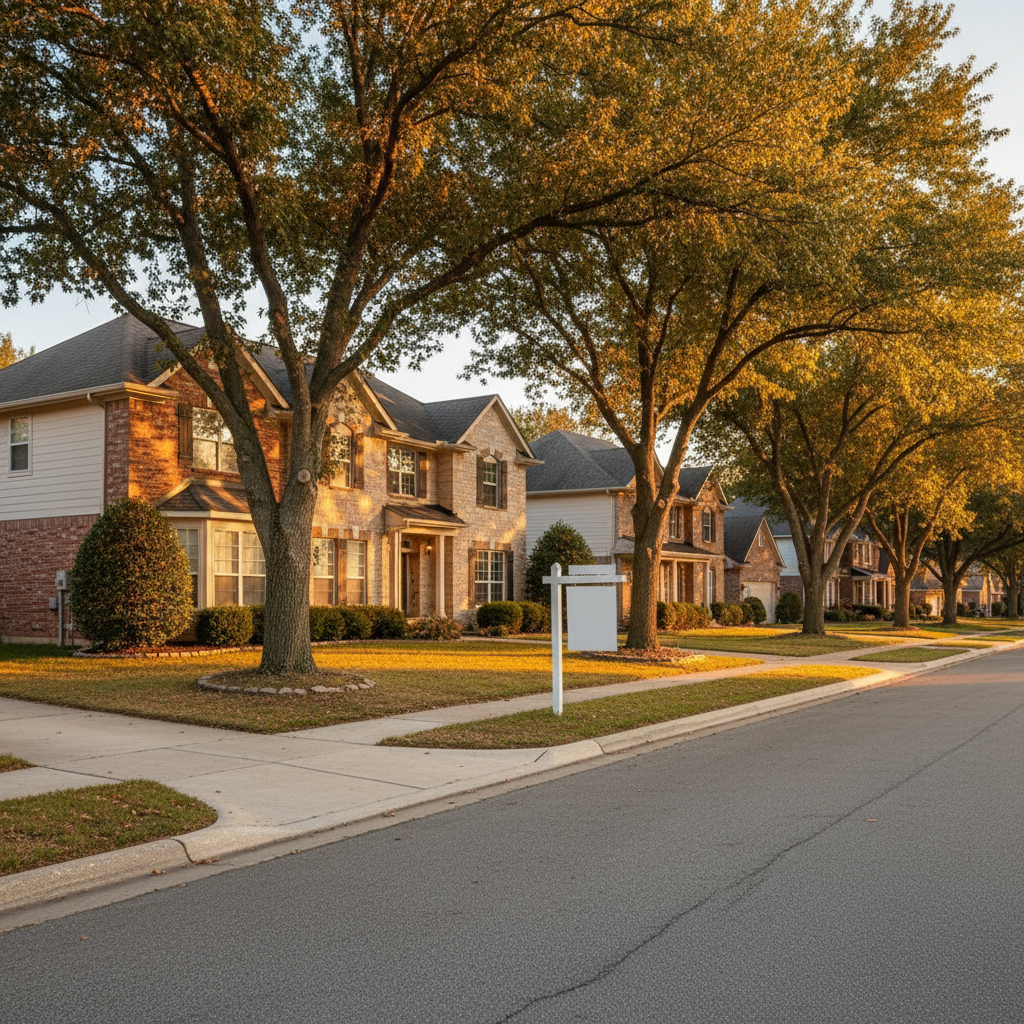
Step-by-step checklist (print-friendly)
Follow this 12-step checklist from pre-approval to move-in. Each step is a gate: don’t advance until it’s verified. This rhythm keeps leverage high, timelines predictable, and stress low—especially when the market speeds up.
- Confirm pre-approval (signed, with expiry and conditions).
- Write a search brief (must-haves, nice-to-haves, limits).
- Track 3–5 comps per target area (60–90 days).
- Schedule showings and request disclosures early.
- Log system ages (roof, HVAC, windows, water heater).
- Shortlist 2–3 homes; update comps and notes.
- Draft offer terms with condition windows (5–10 days).
- Inspect (full-home plus targeted checks).
- Coordinate appraisal and lender asks in writing.
- Confirm insurance and utilities before close.
- Final walk-through using your repair/condition log.
- Move-in week: locks, detectors, filters, safety list.
Need a second set of eyes?
If you want a calm, data-driven path to your next home, we can help. Share your search brief and we’ll respond with comps, timelines, and a draft offer framework you can use immediately.
Have a property in mind? Send the address and we’ll prepare a quick CMA-style snapshot with three sold comparables, system-age notes, and suggested condition windows.
Frequently Asked Questions
These quick answers address the buyer questions we hear most—pre-approval timing, inspections, appraisal gaps, and when to pause. Each response is direct and actionable so you can move forward confidently.
Should I ever waive the home inspection?
Only if you’ve completed equivalent diligence another way, such as a pre-inspection and targeted system checks. The safer path is keeping an inspection condition. If competition is intense, shorten timelines, but don’t skip critical reviews without backups.
How long does a typical pre-approval remain valid?
Many rate holds and pre-approvals remain valid for about 60–120 days. Always confirm your specific dates with the lender and set reminders. If your search continues beyond that window, refresh documents to avoid last-minute surprises.
Is a pre-qualification enough to make offers?
No. Pre-qualification is a quick estimate. Sellers and listing agents take lender-verified pre-approvals more seriously. A signed pre-approval letter helps your offer compete, especially when timelines are tight.
What if the appraisal comes in lower than our offer?
Options include renegotiating, invoking financing conditions, or providing additional data to the lender. Build appraisal timing into your condition window so you can respond without rushing key decisions.
When should I walk away from a deal?
Walk away when verified defects, title issues, or financing gaps can’t be addressed within your condition timelines. Your plan should include clear limits. Sticking to them preserves leverage and keeps you available for the next, better fit.
Key takeaways
A short written plan, lender-verified pre-approval, comps-driven pricing, and protective conditions prevent most problems. Discipline beats speed. The right home at the right terms is worth a day or two of extra diligence.
- Document everything and confirm in writing.
- Track 3–5 comps for each shortlisted property.
- Protect inspection and financing windows (often 5–10 days).
- Plan first-week and first-year tasks after closing.
Conclusion and next steps
The surest way to avoid common home buying mistakes is to slow down just enough to verify. With a two-page plan, verified numbers, and clear timelines, you’ll buy smarter—and enjoy your new home sooner.
- Send your search brief to start a comps-backed game plan.
- Request a quick address-based valuation snapshot to anchor offers.
- Ask for our VIP buyer checklist and GTA valuation tips.
Ready to move from browsing to buying with confidence? Let’s map your next 14 days—showings, comps, and a draft offer you can stand behind.