
How to Price Your Home: Sell With Confidence in 2026
Learn how to price a home to sell with a CMA, adjustments, and a rules-based launch. Built for Brampton and GTA sellers who want fast, fair results.
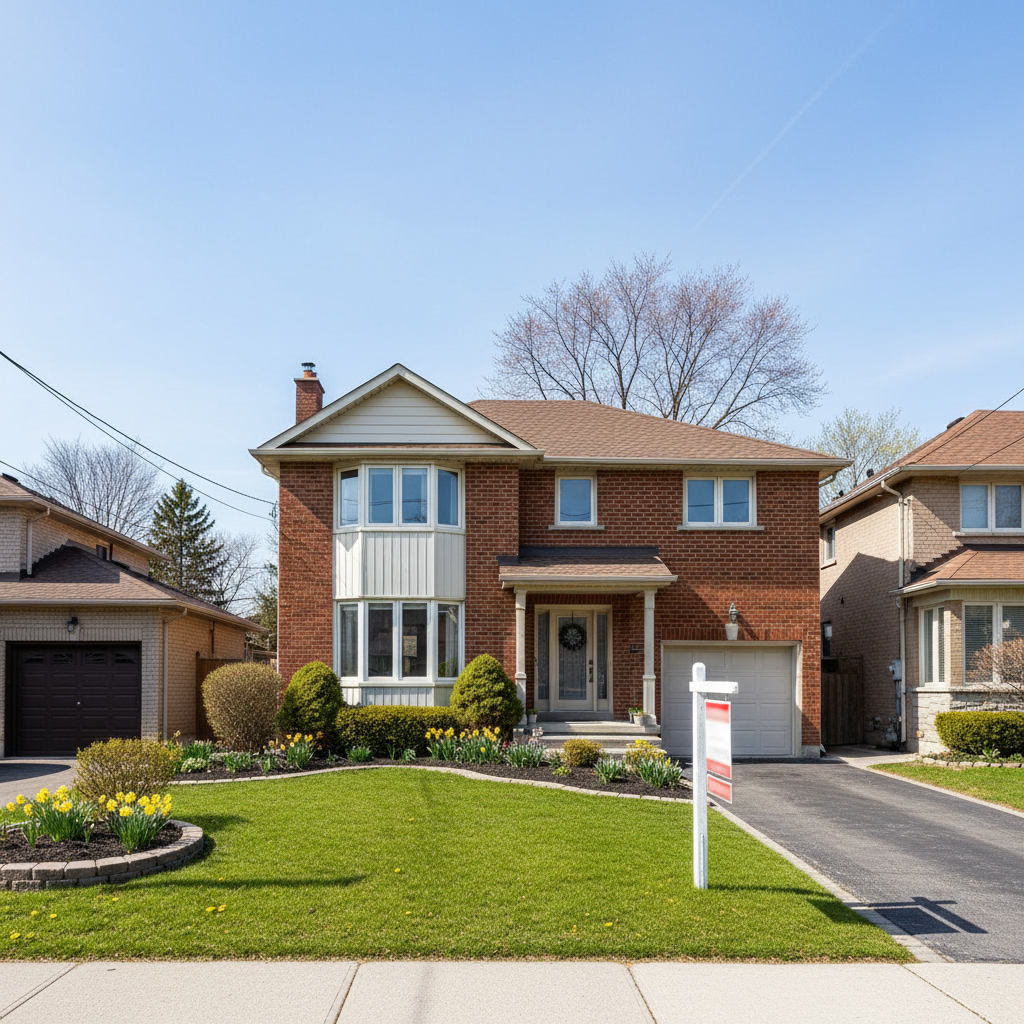
Pricing a home to sell is the process of setting a list price that matches current buyer demand and comparable sales to achieve a timely, full‑market result. In North York (Toronto), where our office at 52 Scarsdale Rd Suite 205 is based, the best approach blends a data‑driven CMA, local trends, and a clear launch strategy.
By Robin Patel, Founder & Realtor (ABR, SRS, RENE) — RE/MAX METROPOLIS REALTY
Last updated: May 26, 2026
Quick Summary
Price your home using recent comparable sales, an adjustments grid, and a launch window strategy. Set a tight price band, prepare for showings, and review feedback in week one. If traffic lags meaningful comps by 20%+, adjust quickly to protect momentum.
Here’s what you’ll get in this how‑to guide and why it matters to Brampton and Greater Toronto sellers:
- Step‑by‑step framework: From gathering comps to setting your go‑to‑market price and adjusting post‑launch.
- Local insight: How North York/Toronto and Brampton dynamics shape list‑price strategy and buyer psychology.
- Action tools: An adjustments checklist, traffic benchmarks, and a simple table to compare pricing tactics.
- Confidence: Use an agent‑level CMA approach backed by ABR/SRS/RENE expertise.

Introduction
A winning list price aligns with how buyers search and what appraisers verify. The goal is simple: maximize showings in week one and convert interest into strong offers while the listing is fresh. That takes comps, adjustments, and a clear ruleset for launch.
Sellers ask us for one thing: certainty. While no one controls the market, you can control method. In our experience representing Brampton and GTA sellers, listings that mirror verified comps within a tight 1–3% band generate the most qualified showings in the first 7–14 days. That early window is when motivated buyers act.
- Why this matters: Buyer activity clusters around new listings. Miss early momentum and days‑on‑market climb.
- What you’ll use: Comparable sales (CMA), a feature‑adjustments checklist, and a micro‑launch calendar.
- Outcome: A defensible price that appraisers can support and buyers perceive as fair.
Before You Start (Prerequisites)
Confirm your property facts, gather three to six recent comparables, and identify unique features that add or subtract value. Clean up curb appeal and schedule pre‑launch tasks so your data‑driven price matches the condition buyers will see.
Before you run the numbers, set the stage. A precise list price only works if what buyers experience aligns with the promise. We prep clients with a brief checklist so the home presents like the comps we’ll rely on.
Must‑have inputs
- Accurate property details: square footage, bedroom/bath count, lot size, parking, age, heating/cooling type.
- Recent upgrades: kitchens, baths, roof/HVAC, windows, flooring, legal suites. Note dates and permits if applicable.
- Market comps: 3–6 solds from the past 60–120 days; 1–3 actives and pendings to show current competition.
- Neighborhood factors: school catchments, transit, commute times, and amenities that influence buyer pools.
Condition alignment (presentation = price)
- Clean and declutter: Aim for neutral, airy rooms and tidy storage; buyers mentally “price” clutter as deferred work.
- Minor fixes: Touch‑up paint, replace burnt bulbs, tighten loose hardware. Small defects invite bigger discounts.
- Curb appeal: Fresh mulch, edged lawn, clear walkway. Exterior signals overall care within seconds.
Documents to organize
- Utility averages and property taxes (buyers compare operating profiles across homes).
- Upgrade receipts and warranties where available.
- Pre‑listing inspection if chosen; share repairs completed.
Reality check: if your condition trails the comps by a visible margin, expect buyer feedback to mirror that gap within the first weekend. Aligning presentation with pricing inputs saves painful mid‑launch corrections.
How to Price a Home to Sell: Step‑by‑Step
Start with comparable sales, make line‑item adjustments, triangulate a price band, and set your go‑to‑market number. Validate with absorption rate and showing benchmarks, then commit to pre‑scheduled review points in week one and two.
1) Gather your best comparables (CMA core)
- Radius & recency: Same neighborhood/subdivision when possible; sold in the last 60–120 days.
- Property match: Similar bed/bath, finished square footage, lot, parking, age, and style (detached vs. semi vs. townhouse).
- Outliers: Remove “estate” renos or distressed sales unless your home matches those conditions.
2) Build an adjustments grid
- Feature diffs: Bedrooms, baths, finished basement, garage spaces, lot width/depth, renovations by year.
- Location diffs: Quiet crescent vs. arterial, backing onto park vs. commercial, school tier differences.
- Condition diffs: Turn‑key vs. dated; align to buyer effort/time needed.
3) Triangulate your price band
- Low anchor: Your most competitive comp minus its superior features.
- High anchor: Your strongest comp plus your superior features.
- Target band: Where at least two comps converge within a 1–3% range.
4) Validate with supply‑and‑demand
- Absorption rate: Months of inventory signal leverage. Tighter supply favors bolder pricing; higher supply demands precision.
- Showings per week: Plan for a minimum threshold in week one based on similar listings.
- Offer timing: Decide whether to set an offer review date or accept anytime, based on local norms.
5) Set the go‑to‑market number
- Search bands: Choose numbers that sit cleanly within common buyer filters.
- Psychology: Round vs. precise pricing; use whole numbers for clarity in MLS feeds and portals.
- Ruleset: Pre‑plan if/when to adjust (e.g., traffic or feedback triggers).
Self‑contained answer: A complete pricing workflow collects 3–6 relevant sold comps, applies line‑item adjustments, sets a 1–3% band, validates with absorption rate and showing goals, then picks a clean search‑friendly number with pre‑scheduled review points after launch.
Local Pricing Signals: North York and Toronto
In North York and the Toronto metro, buyer traffic clusters in the first 7–10 days. Listings aligned to tight CMA bands earn more qualified showings; mismatches see slower engagement. Use micro‑location cues—street type, school zones, and transit—to calibrate your final number.
Micro‑location changes everything. A quiet crescent near a desirable school can outperform a similar home on an arterial by a meaningful margin. Proximity to transit, parks, and everyday conveniences shows up quickly in showing volume. If your best comp sits two streets over but backs a park, translate that into a reasonable adjustment before you publish your number.
- School catchments: Assign value for top‑ranked programs and language tracks where demand is strong.
- Transit access: Shorter bus‑to‑subway connections widen the buyer pool; price reflects that reach.
- Noise & exposure: Corner lots and exposure to traffic may reduce perceived value absent offsetting features.
Local considerations for North York
- Time open houses to align with foot traffic patterns near Bond Park; weekend families boost qualified visits.
- Plan photos and launch windows around spring/fall peaks; winter listings need brighter lighting and staging warmth.
- Commuter buyers from nearby campuses like Ace Acumen Academy value quick transit access and walkability.

Pricing Approaches Compared
Choose between market‑accurate, aspirational, or strategic‑underlisting approaches based on inventory and demand. Market‑accurate wins most often; aspirational needs exceptional uniqueness; under‑listing requires careful controls to avoid leaving value on the table.
Here’s a simple comparison you can reference during your CMA workup.
| Approach | When It Fits | Upside | Risk | Controls |
|---|---|---|---|---|
| Market‑accurate | Balanced inventory; strong recent comps. | Highest appraisal support; steady showings. | Requires condition to match comps. | Verify with 3–6 solds and showing goals. |
| Aspirational | Unique features, scarce supply. | Tests upper band; slower discounting. | Early staleness; fewer showings. | Hard triggers for week‑two review. |
| Strategic under‑listing | Hot micro‑market; clear buyer pool. | Concentrates demand; potential multiple offers. | Appraisal gaps; unpredictable outcomes. | Offer date, documentation for appraisers. |
Regardless of approach, your first 10 days are everything. If qualified showings lag well‑matched neighbors by 20% or more, tighten the ask so your listing stays in the most‑viewed search bands.
Launch Plan and Week‑One Benchmarks
Front‑load attention: strong media, listing copy, and calendar. Track showings and feedback daily. If traffic or sentiment misses plan by a clear margin, execute your pre‑agreed adjustment before momentum fades.
Pre‑launch (T‑7 to T‑1)
- Photography & media: Daylight exterior, crisp interiors, and floor plans support buyer confidence.
- Listing copy: Lead with location benefits, functional upgrades, and standout features buyers filter for.
- Calendar: Publish open houses, showing windows, and offer instructions in advance.
Week‑one targets
- Showings: Match or exceed similar actives; focus on qualified traffic, not just volume.
- Agent feedback: Log comments on price perception, condition, and objections to guide pivots.
- Online saves/views: Track interest signals to validate your band selection.
When to adjust
- Traffic shortfall: If you’re significantly below close comps by mid‑week, consider a timely, surgical adjustment.
- Sentiment trend: “Great home, priced a bit high” across multiple agents is a reliable signal.
- Competitive moves: New, better‑matched actives may warrant recalibration to stay in top buyer filters.
Momentum compounds. We pre‑plan decision points so sellers act on signals instead of emotions. This discipline keeps you aligned with the market—not chasing it.
Troubleshooting and Common Mistakes
If your listing stalls, diagnose comps, condition, and calendar first. Most issues trace to mis‑matched presentation, flawed comparables, or missed timing. Correct quickly to re‑enter top search bands and rebuild buyer confidence.
Diagnostic checklist
- Comps: Did you overweight an outlier? Re‑run with tighter matches.
- Condition: Are buyers pricing deferred maintenance into offers? Close visible gaps.
- Calendar: Did you launch against a major neighborhood event or after a wave of similar listings?
High‑frequency errors
- “Testing high” without guardrails: Leads to staleness and larger corrections later.
- Ignoring active competition: Buyers always compare across open tabs; you’re priced against what they can tour today.
- Underestimating micro‑location: Busy roads, odd lot shapes, or missing parking must be reflected in price.
Fast fixes
- Refresh media and lead image; highlight the most searched features in the first 160 characters of the description.
- Enable broader showing windows for convenience; friction reduces conversions.
- Implement your pre‑planned adjustment to re‑enter competitive bands before day 14.
Here’s the thing: buyers forgive small flaws when the price story is tight and transparent. Deliver that story, and showings turn into serious conversations.
Advanced Tips (Optional)
Refine your number with micro‑banding, lender‑friendly documentation, and negotiation sequences. Combine a pricing band with concessions strategy so buyers can say “yes” without eroding target net.
Micro‑banding your ask
- Banding: Set a primary price and a narrow alternate anchored to feedback scenarios.
- Search filters: Align to MLS/portal cutoffs buyers frequently select.
- Round vs. precise: Whole numbers are easiest to filter and remember.
De‑risking appraisal
- Package comps, floor plans, and permits so lenders see support for your agreed price.
- Document upgrade timelines to show lasting value (e.g., roof/windows) vs. cosmetic refreshes.
- Keep a feature summary one page long; clarity helps appraisers and buyers alike.
Negotiation sequencing
- Decide which terms you’ll flex on first (closing date, inclusions) to protect the core price.
- Use deadline discipline; extended uncertainty weakens your position.
- Have backup scripts for common buyer requests so responses stay calm and consistent.
In our practice, these refinements help keep net proceeds aligned with the band we set on day one—without inviting avoidable concessions late in the game.
Frequently Asked Questions
Most sellers want a fast, fair sale without leaving money on the table. These quick answers cover timing, comps, and how to respond if showings lag. Use them to stress‑test your plan before launch.
How do I choose the right comparables?
Pick sales from the last 60–120 days in your immediate area that match style, size, lot, and condition. Remove outliers like distressed sales or over‑customized properties unless your home is similar. Aim for at least three solid solds plus a couple of active and pending competitors.
What if the home is unique and I lack comps?
Widen the radius and time frame slightly, then adjust for location. Use feature‑based adjustments and support your price with a clear narrative, photos, and upgrade documentation. Set firm review points in week one and two so you can refine quickly if traffic is soft.
Should I set an offer review date?
Offer dates can concentrate demand when inventory is tight and your home aligns with a large buyer pool. If supply is higher, consider accepting anytime to reduce friction. Choose based on your micro‑market and how buyers are behaving this month.
When should I adjust my list price?
If qualified showings trail close comparisons by a meaningful margin after the first weekend, act. Don’t wait weeks. A targeted adjustment that re‑positions your home in popular search bands can revive momentum and bring in the right buyers.
Additional Resources
Deepen your understanding with practical guides on timing and valuation. Use them to refine your calendar, understand seasonality, and pressure‑test your CMA before launch.
These context pieces can help you sense‑check timing and valuation narratives while you prepare your CMA and launch calendar:
- See a local perspective on selling a house in Toronto for planning considerations.
- Review seasonality notes on the best time to sell a house to align photos and launch windows.
- Skim a practitioner’s overview on estimating the value of your home to complement your CMA thinking.
Conclusion and Next Steps
A defensible list price is built—not guessed. Use tight comps, line‑item adjustments, and a rules‑based launch to capture week‑one momentum. Then protect it with fast, pre‑planned decisions.
- Key takeaways: Align price to verified comps; plan week‑one targets; adjust early if traffic lags.
- Action steps: Organize property facts, gather 3–6 sold comps, and draft your adjustments grid and launch calendar.
- Local help: We guide Brampton and GTA sellers with ABR/SRS/RENE rigor—plus consumer tools like property search and address‑based valuation.
- Key Takeaways
- Early momentum wins. Plan for strong week‑one showings.
- Comps + adjustments = confidence with buyers and appraisers.
- Set pre‑agreed triggers for fast, surgical adjustments.