
When to Get a Home Appraisal: Protect Your Budget in 2026
Learn when you should get a home appraisal for selling, buying, refinancing, or appeals. Brampton-focused timing guidance with tools and local insights.
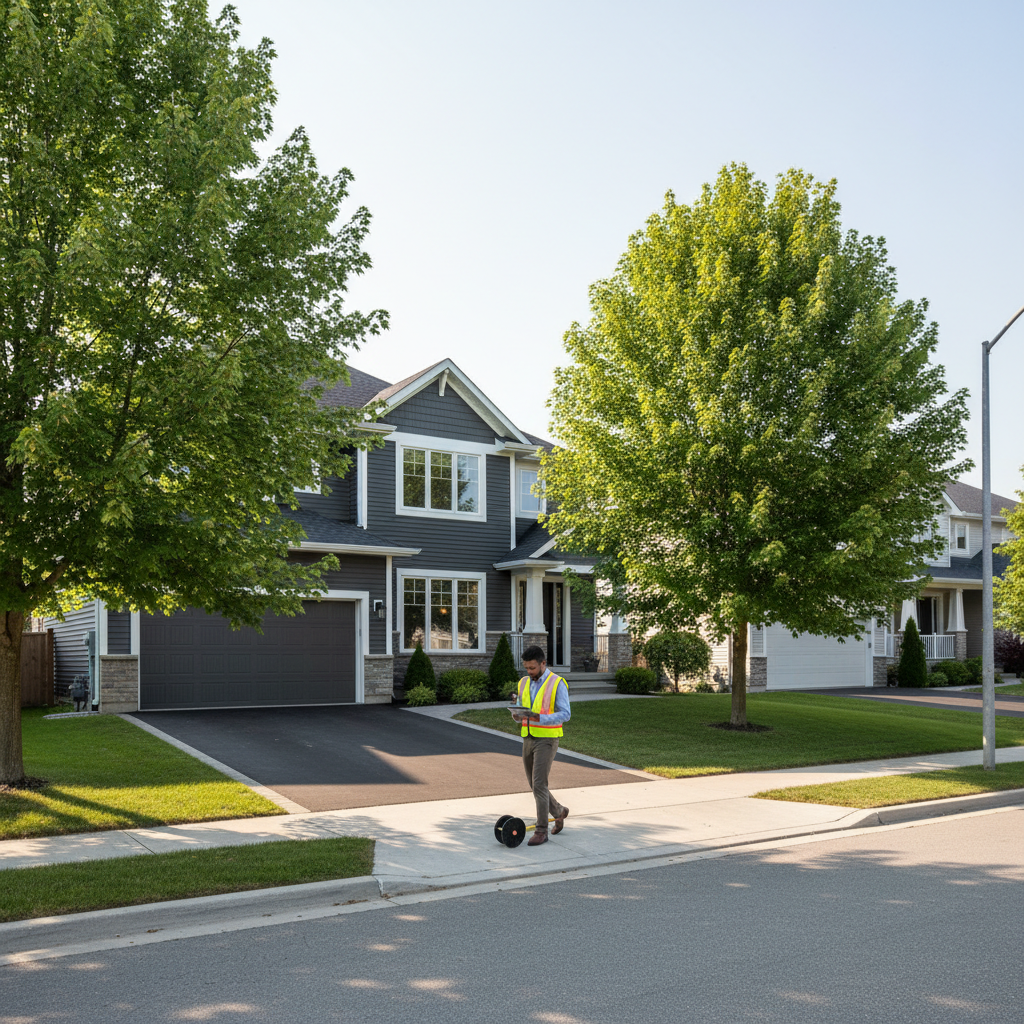
Get a home appraisal when you’re preparing to sell, refinancing, making a competitive offer, settling an estate, or appealing taxes. At our North York, Toronto office (52 Scarsdale Rd Suite 205), we advise Brampton-area clients to align appraisals with decision points—before listing, before removing conditions, and whenever value clarity directly impacts your next move.
By Robin Patel — Founder & Realtor (ABR, SRS, RENE)
Last updated: May 23, 2026
Quick Overview
The right time for a home appraisal is just before major decisions: listing your property, refinancing, removing offer conditions, estate settlements, and tax appeals. Aligning appraisals with these milestones improves pricing accuracy, supports negotiations, and reduces risk of surprises late in the deal.
This complete guide explains what an appraisal is, why timing matters, how the process works, and the scenarios when scheduling one protects your plans. You’ll also see practical timelines, a quick-reference table, local tips for North York and Brampton, and real examples from our clients.
- What a professional appraisal includes and how lenders use it
- Best timing for sellers, buyers, and homeowners planning refis
- A scenario-by-scenario timing table you can act on today
- Local considerations for North York and the Brampton market
- Tools: address-based valuation, featured listings, VIP reports
What Is a Home Appraisal?
A home appraisal is an independent, professional opinion of market value based on recent comparable sales, property condition, and local demand. Lenders rely on appraisals to manage risk, while buyers and sellers use them to price, negotiate, and plan with confidence.
In simple terms, an appraisal tells you what a qualified professional believes a property would sell for in current market conditions. The appraiser examines comparable sales, adjusts for differences, evaluates the home’s size, features, and condition, and reports a supported value conclusion.
What an appraisal typically covers
- Comparable sales (comps): Recent, nearby sales most similar to your home.
- Adjustments: Value differences for bedrooms, updates, lot size, garages, basements, and more.
- Condition and quality: Materials, finishes, maintenance level, and any functional issues.
- Market context: Supply, demand, seasonality, and trends affecting Brampton and the GTA.
- Final opinion of value: A supported estimate as of the inspection date.
In our experience serving Brampton sellers and buyers, onsite inspections often take 45–90 minutes, while final reports are commonly delivered within 2–5 business days. That timeline can tighten or stretch with seasonality, volume, and property complexity.
Why Appraisal Timing Matters
Timing your appraisal around decision points reduces risk. Sellers confirm list strategy, buyers validate offers before removing conditions, and homeowners verify equity before refinancing. In fast-moving markets like Toronto and North York, fresh data supports stronger negotiations.
Appraisals provide the evidence you need at the moment it counts. Values shift with new sales, interest rate changes, and inventory—month to month. If you anchor price decisions to outdated comps, you risk mispricing, appraisal shortfalls with lenders, or stalled negotiations when momentum matters most.
Common pitfalls when timing is off
- Outdated comps: A report older than a few weeks in a shifting market may mislead strategy.
- Missed equity checks: Refinancing without a current value can derail approvals.
- Offer risk: Removing conditions before value validation can expose buyers to shortfalls.
- False confidence: Relying only on automated estimates without a human-reviewed analysis.
Here’s the thing: great timing isn’t luck. It’s a system. We align your appraisal with your next decision—list price, offer strength, or refinance paperwork—so your move is backed by current, local evidence.
When Should I Get a Home Appraisal? 11 Common Scenarios
Schedule an appraisal when a value call affects your next step: listing, making or removing an offer, refinancing, estate settlement, divorce, renovations planning, HELOC applications, private sales, tax appeals, and investment purchases. Fresh reports guide negotiations and reduce last‑minute surprises.
Use this list to match your situation. If any item describes your next 30–60 days, book early to keep your timeline intact.
- Before listing your Brampton home: Validate list price and staging/upgrade ROI.
- Before removing financing conditions: Buyers confirm value supports the mortgage.
- Refinance or HELOC planning: Gauge equity and likely lender expectations.
- Estate settlement or probate: Establish fair market value as of a specific date.
- Separation or divorce: Provide an unbiased value for asset division.
- Major renovations planning: Benchmark current value and post-reno potential.
- Private sale (no listing): Arm’s‑length valuation to keep negotiations grounded.
- Investment property acquisition: Confirm rent assumptions and cap-rate reality.
- Property tax appeal: Use a credible report to challenge assessments.
- Pre‑foreclosure or workout: Document value for negotiations and options.
- Insurance coverage review: Ensure replacement insights track with market shifts.
In our local files, the tightest timelines appear during spring markets. Booking 7–10 days ahead generally avoids delays and keeps your conditions calendar intact.
How the Appraisal Process Works (and Where Timing Fits)
The appraisal process includes engagement, onsite inspection, market analysis, and a written report. Your best timing is to order the appraisal shortly before you must make a pricing, offer, or financing decision, so the data is recent and persuasive.
Here’s a practical view of the flow and timeline signals we watch with clients across Brampton and the GTA.
Four steps from order to report
- Engagement: Your lender or you engage a licensed appraiser and define the purpose (sale, refi, estate, etc.).
- Inspection: Interior/exterior review, measurements, photos, and notes on condition and features.
- Market analysis: Review comps, make adjustments, and reconcile to a supportable value.
- Final report: A signed document with comps, adjustments, photos, commentary, and value.
Typical timelines we observe
- Scheduling: 24–72 hours to book an appointment in normal market flow.
- Onsite time: About 45–90 minutes depending on property complexity.
- Report delivery: Commonly 2–5 business days from inspection (faster in off‑peak weeks).
- Peak seasons: Expect backlog pressure in spring and early fall; build a 2–3 day buffer.
Align your order with your milestone. If you expect to remove financing conditions next Thursday, aim for an inspection by Monday and report by Wednesday. That keeps your negotiation leverage without rushing the analysis.
Timing Table by Scenario
Use this table to plan. Match your scenario to a suggested lead time so your appraisal lands before your key decision. Build small buffers in peak seasons to protect your leverage.
| Scenario | Best time to order | Goal of timing |
|---|---|---|
| Listing your home | 7–14 days pre‑MLS | Confirm list price and prep priorities |
| Buyer with financing condition | Immediately after offer accepted | Receive report before condition deadline |
| Refinance or HELOC | 2–3 weeks before lender submission | Validate equity and paperwork completeness |
| Estate or divorce | As early as practical | Settle fairly with credible date‑specific value |
| Tax assessment appeal | Before filing window closes | Support your claim with third‑party evidence |
| Investments (rental/cap‑rate) | Pre‑offer in competitive bids | Right‑size the offer to actual income/value |
| Private sale | Before finalizing agreement | Keep both sides grounded in market reality |
We pair this table with your specific goals, then confirm current comps and market velocity in Brampton micro‑neighborhoods so timing reflects live data.
Types of Appraisals and When to Use Them
Choose full interior appraisals for accuracy and lending, desktop/drive‑by for quick decisions with limited scope, and post‑renovation appraisals to validate added value. Your purpose and timeline dictate the method.
Not all appraisals are the same. Method selection affects speed, depth, and lender acceptance. We match the format to your objective and risk tolerance.
Common approaches
- Full appraisal (interior/exterior): Highest confidence, standard for lending and complex properties.
- Drive‑by (exterior‑only): Faster, limited interior insights; useful for preliminary checks.
- Desktop (no onsite): Data‑driven review of comps and records; speed over detail.
- As‑is vs. as‑repaired: Useful when planning renovations or negotiating condition credits.
Here’s what most people don’t realize: the “right” method is the one a lender—and the other side—will respect at the table. When in doubt, prioritize the most credible option your timeline allows.
Best Practices for Perfect Appraisal Timing
Work backward from your deadline, confirm appraiser availability, prepare the home for inspection, and package recent upgrades and comps. Keep a 2–3 day buffer in peak seasons so your report arrives before key negotiations.
Your four‑part timing playbook
- Start with the milestone: List date, condition deadline, lender submission, or legal timeline.
- Book early, confirm fast: Secure the appointment and share purpose and constraints.
- Prep the property: Clean, declutter, document upgrades, and ensure access to all spaces.
- Package context: Provide recent comps, reno receipts, utility info, and unique feature notes.
In our experience, a tidy, well‑lit home with a one‑page “features and upgrades” summary helps appraisers verify value faster and focus on the merits of your property rather than hunting for details.
Tools and Resources
Pair a professional appraisal with decision‑support tools: an address‑based estimate to set expectations, curated listings to understand buyer alternatives, and expert reports to frame your strategy. Use tools to prep; use the appraisal to finalize.
We combine human expertise with simple tools so you can move decisively:
- Address‑based estimate: Use our “What’s My Home Worth?” tool as a fast sense check before booking an appraiser. Then validate with a full report when it matters most.
- Featured listings insight: Reviewing active competition clarifies how buyers will compare your home today.
- VIP real estate reports: Local, plain‑English guidance on timing, preparation, and negotiation.
For additional perspectives on leveraging valuation materials in planning, see this concise guide on how to use a valuation report. And when your transaction involves legal milestones, this primer on legal guidance for home sales helps organize paperwork and expectations.

Case Studies and Local Examples (Brampton + GTA)
Real cases show how timing protects outcomes. Sellers avoided price cuts, buyers kept leverage on conditions, and homeowners secured refinances smoothly—because each appraisal arrived before a key decision, not after.
Seller: Spring listing in Fletcher’s Meadow (Brampton)
- Challenge: Rising listings created uncertainty about optimal list price.
- Action: We scheduled an appraisal 12 days before MLS launch and used the report to validate price and prioritize minor prep.
- Outcome: The home drew strong interest in week one and avoided a mid‑listing price reduction.
Buyer: Semi‑detached with financing condition (GTA)
- Challenge: Aggressive bidding environment risked overextending beyond lender support.
- Action: Appraisal ordered immediately after offer acceptance with a three‑business‑day condition.
- Outcome: Report confirmed value; buyer removed condition confidently and preserved leverage.
Homeowner: Refinance for renovations (Brampton East)
- Challenge: Needed equity clarity before submitting a refinance package.
- Action: Appraisal booked two weeks ahead; upgrade receipts and comps organized for reviewer.
- Outcome: Smooth lender processing with no last‑minute documentation scrambles.

Local Timing Insights for North York and Toronto
In North York and greater Toronto, spring and early fall see peak appraisal demand. Book 7–10 days ahead, and align your inspection within the same week as your pricing or condition deadline for the freshest comps and cleaner negotiations.
While the GTA is one market, micro‑neighborhoods move differently. We monitor Brampton indicators weekly—new listings, sale‑to‑list ratios, and median days on market—and align the appraisal window accordingly. That syncs your value evidence with what comparable buyers and sellers are doing right now.
Local considerations for North York
- Schedule midday inspections to avoid rush‑hour conflicts near Bond Park corridors and major arterials.
- During late spring and early fall, expect tighter slots—book earlier when universities like Ace Acumen Academy are in session and rental turnarounds surge.
- Detached homes with recent renovations benefit from a brief “feature tour” for the appraiser—highlight energy upgrades, finished basements, and exterior work.
Need a Timing Gut‑Check? Let’s Talk
If your decision deadline is inside the next two weeks, a quick consult can lock in the right appraisal window. We’ll review your milestone, check current comps, and map a timing plan that protects your leverage.
Soft consult invite: Have an offer condition, list date, or refinance submission coming up? Reach out and we’ll align the appointment, prep checklist, and supporting documents so your report arrives exactly when you need it.
How Appraisals Influence Negotiations
A fresh appraisal reshapes negotiations. Sellers anchor list strategy, buyers validate offers, and lenders calibrate risk. When your report predates a deadline by days—not weeks—you gain clarity and speed at the table.
We use appraisals as conversation tools, not just paperwork. For sellers, validated pricing deters lowballing. For buyers, the report confirms guardrails before removing conditions. For homeowners, documented equity supports smoother lender reviews. The closer your report is to the decision date, the greater its persuasive value.
Documentation package we recommend
- Features & upgrades summary: Dates, materials, and permits (where applicable).
- Comparable sales packet: 3–5 hand‑picked comps with quick notes on differences.
- Utility and operating notes: Efficiency upgrades, average bills, and maintenance items.
In practice, well‑timed, well‑documented appraisals shorten back‑and‑forth and reduce renegotiation risks after inspections or financing reviews.
How to Prepare Your Home for an Appraisal
Preparation boosts confidence and speed. Declutter, ensure access to all rooms, finish small repairs, and organize a one‑page upgrades list. Presenting a well‑kept home with clear documentation helps the appraiser verify value efficiently.
- Declutter and clean: Clear surfaces and pathways; good light helps photos and notes.
- Fix the easy wins: Touch‑ups, loose handles, minor caulking, and burned‑out bulbs.
- Gather paperwork: Receipts, permits, surveys, and warranties in one folder.
- Access matters: Make sure garage, attic, utility rooms, and exterior areas are open.
- List upgrades: Note timelines for kitchens, baths, roofs, HVAC, windows, and insulation.
Preparation won’t “inflate” value beyond market reality, but it does help capture your home’s true condition—especially in comparison with the comps buyers will tour the same week.
How We Help Brampton Buyers and Sellers Time It Right
We align appraisals with your milestones. Using our address‑based estimate, featured listings, and VIP reports, we set expectations early, then connect you with credible appraisers so your report lands right before your crucial decision.
Our approach draws on ABR, SRS, and RENE designations plus hands‑on market rhythm in Brampton and the GTA. We combine:
- Address‑based valuation: A fast baseline before committing to an appraisal.
- Market scan: Active and pending listings shaping buyer expectations this week.
- Negotiation framing: How to use the report to support your price or condition strategy.
This integrates cleanly with our broader “GTA home valuation tips” guidance—giving you both the big picture and the exact timing window for your next move.
Frequently Asked Questions
These quick answers address the most common timing questions we hear from Brampton homeowners, buyers, and sellers. Use them as a checkpoint before you schedule your appraisal.
How far in advance should I book an appraisal?
In regular market conditions, 7–10 days before your decision point works well. During peak seasons, add a few days of buffer. The key is ensuring the written report lands just before your listing, condition removal, or lender submission.
Do I need an appraisal before listing my home?
It’s not mandatory, but it’s often smart. An appraisal helps validate list price, identify value‑driving upgrades, and avoid price changes mid‑listing. We typically schedule 7–14 days before hitting the MLS so you can act on findings.
When should buyers order an appraisal?
Right after offer acceptance if there’s a financing condition. That gives enough time to inspect, analyze comps, and deliver a report before the deadline. In multiple‑offer markets, tighter condition windows mean you should book immediately.
Can I rely on an online estimate instead of an appraisal?
Online estimates are great for orientation but not a replacement for a professional report—especially for lending, legal matters, or negotiations. Use an address‑based estimate to set expectations, then order an appraisal when a decision depends on accuracy.
Key Takeaways
Time your appraisal to land just before your critical decision. Work backward from deadlines, book early in peak seasons, and prepare documentation so your report carries maximum weight in negotiations.
- Appraisals are most useful when they precede big decisions by a few days.
- Build a small buffer in spring/fall when demand surges.
- Choose the appraisal type that fits your purpose and lender expectations.
- Use address‑based estimates and VIP reports to prep; rely on the appraisal to finalize.
Next Steps
If you’re within 30–60 days of listing, offer conditions, or a refinance, let’s plan your appraisal window now. The right timing protects your budget, safeguards negotiations, and keeps your transaction moving.
- Share your milestone and target dates.
- We’ll map the timing, prep checklist, and documentation.
- When your report arrives, we’ll use it to support your strategy.
Ready to align your timing? Connect with our North York office serving Brampton and the GTA. We’ll help you schedule the appraisal so it does what it’s meant to do—reduce risk and boost confidence.